The Artist is dead! HOORAY! Can we go back to Art now? WIP- More to come
L’Artiste est mort, vive l’Artiste! (Bon, on peut retourner faire de l’Art maintenant?)
What do we take from artworks? How do we experience them and interpret them? If they are a mirror of the person experiencing it, how does it affect its perennity?
Que retirons-nous des œuvres d’art ? Comment les vivons-nous et les interprétons-nous ? Si elles sont le reflet de la personne qui les contemple, comment cela influence-t-il leur pérennité ?
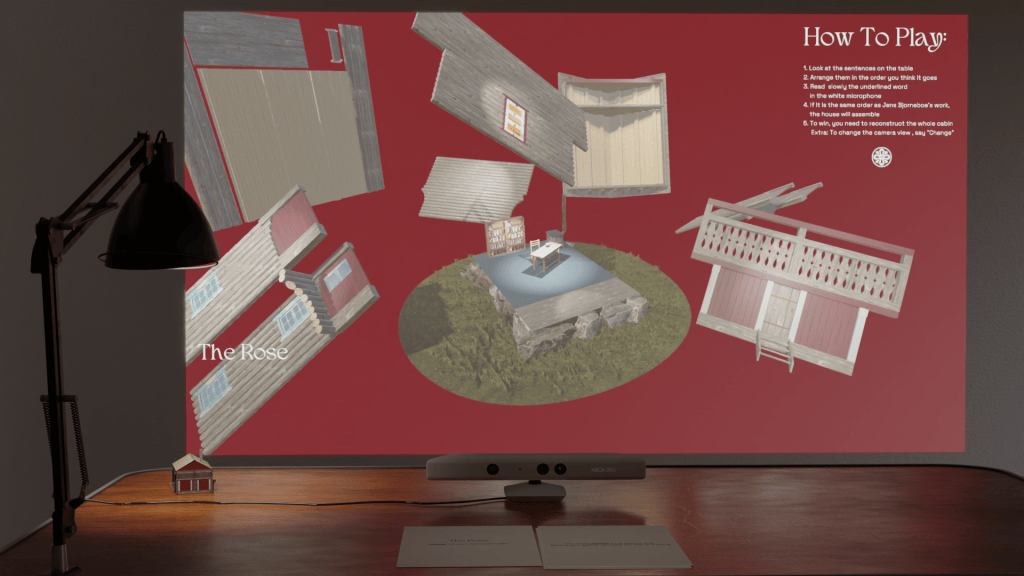
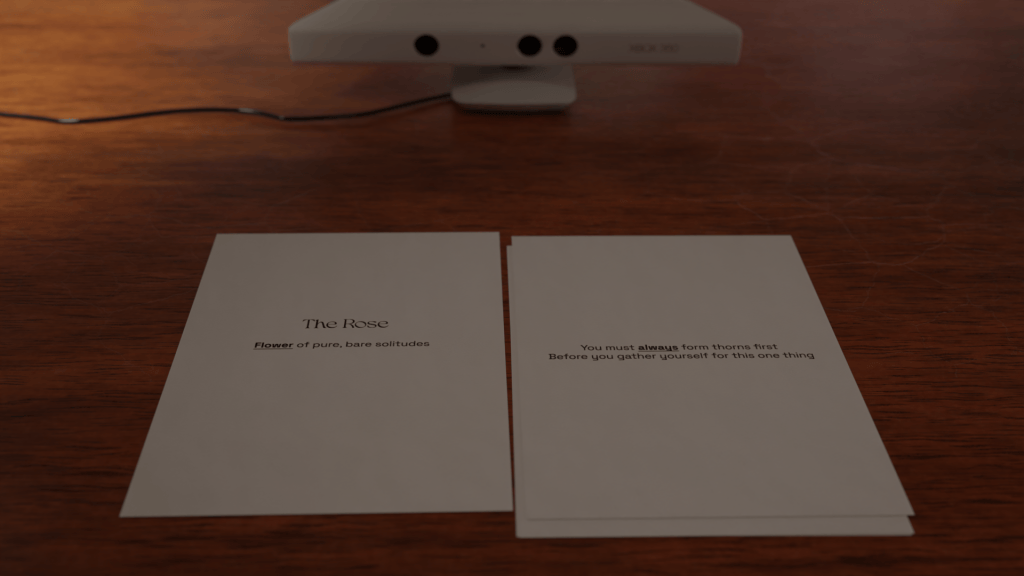
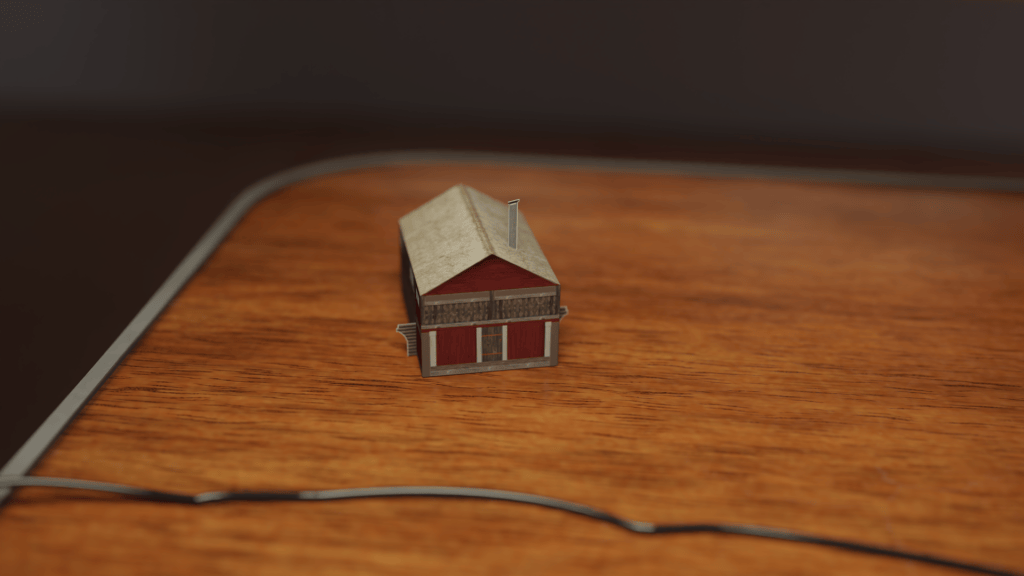
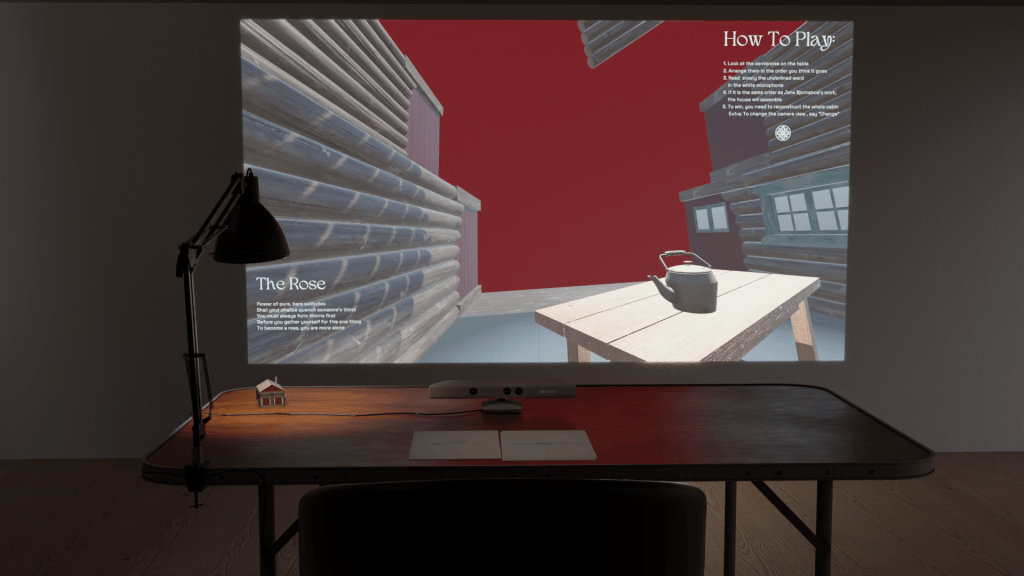
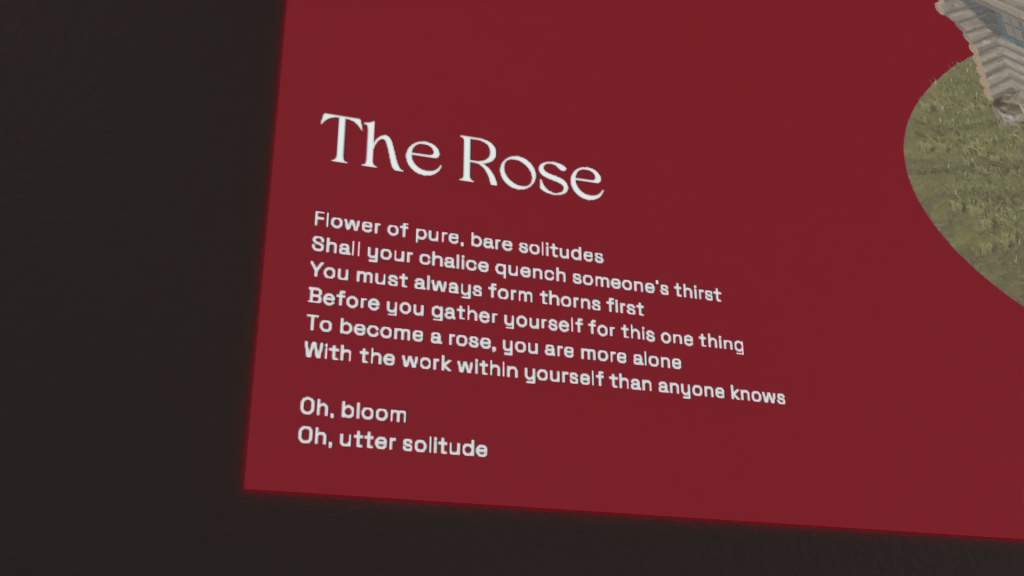
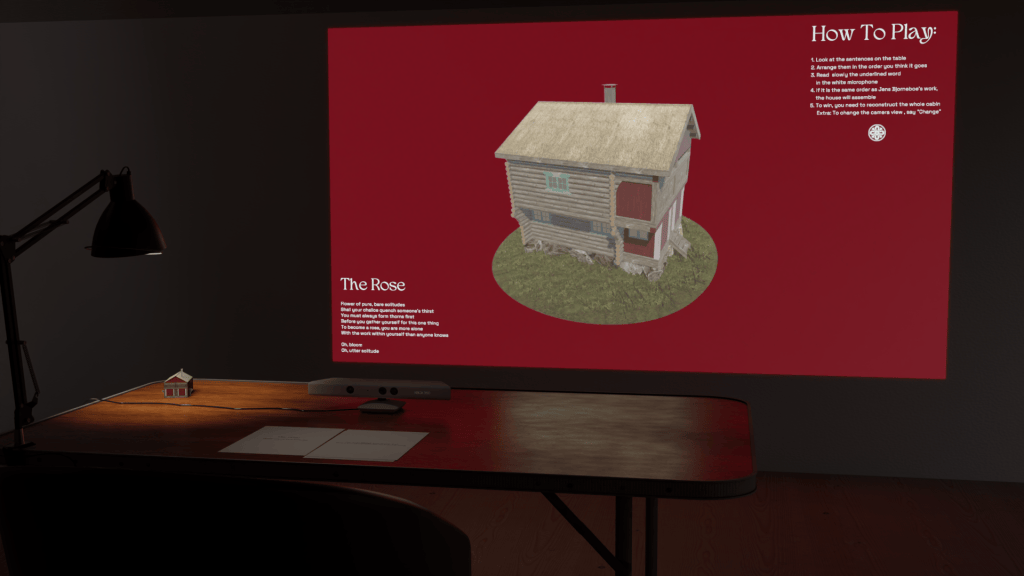
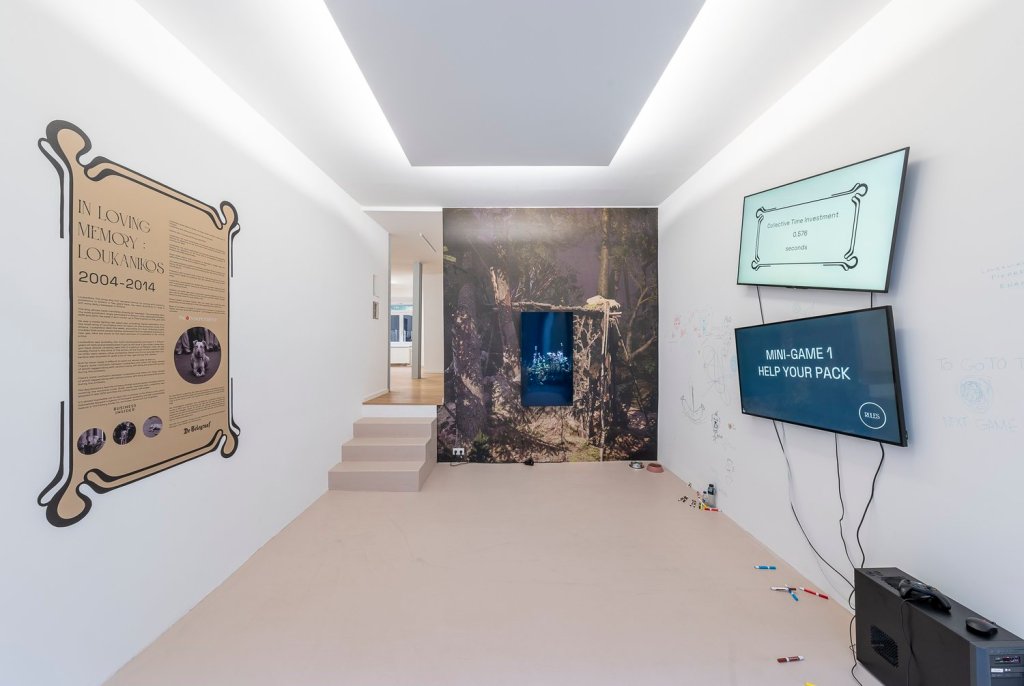
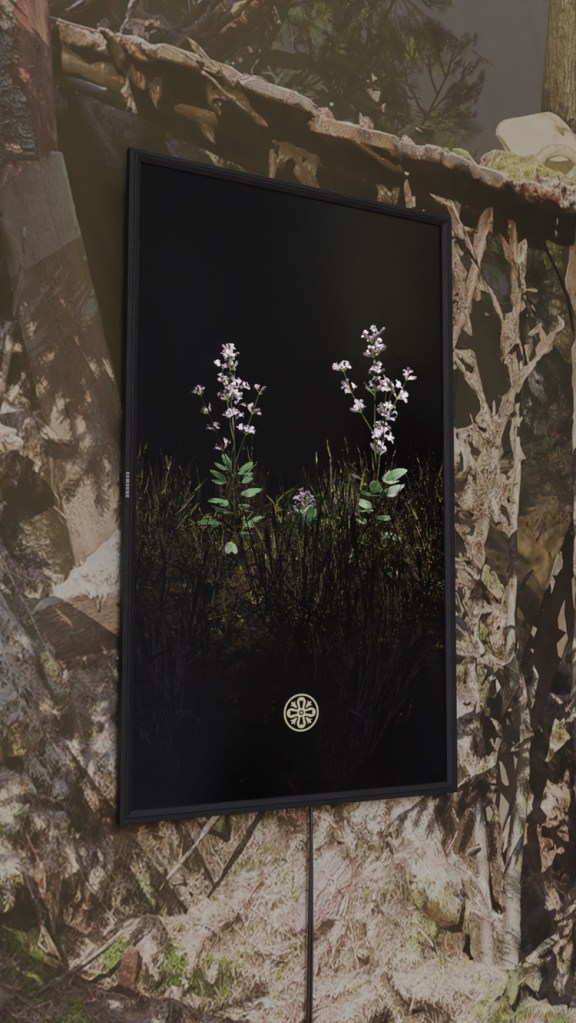
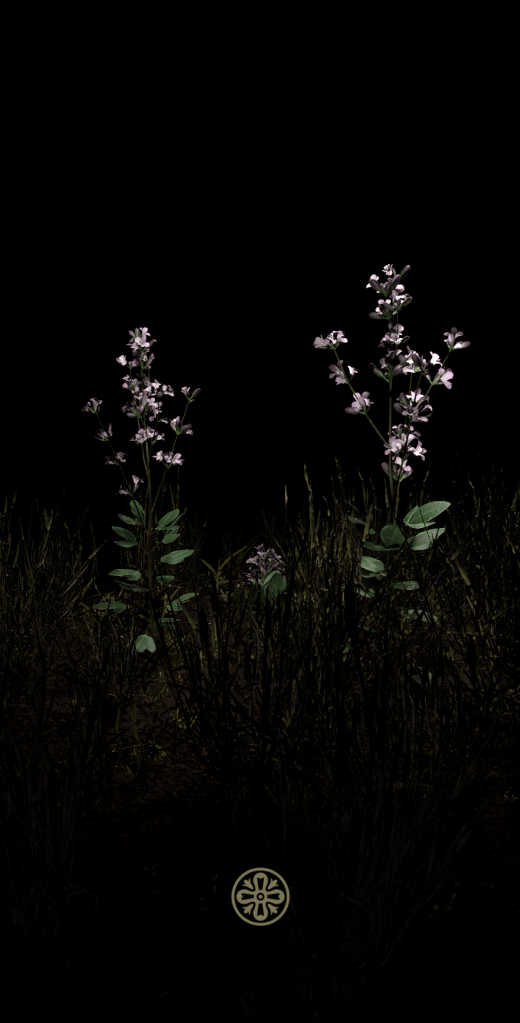
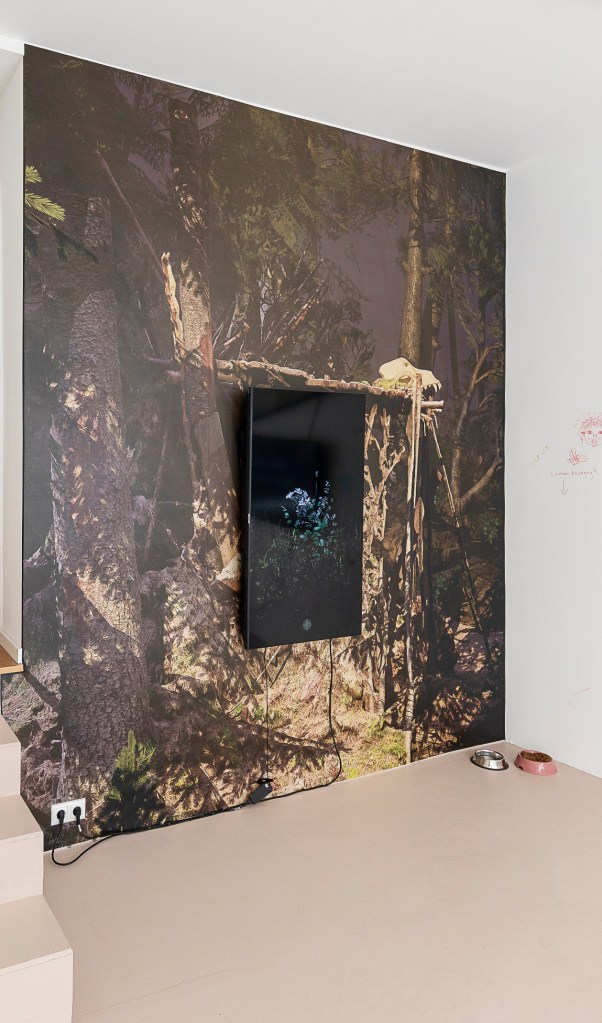
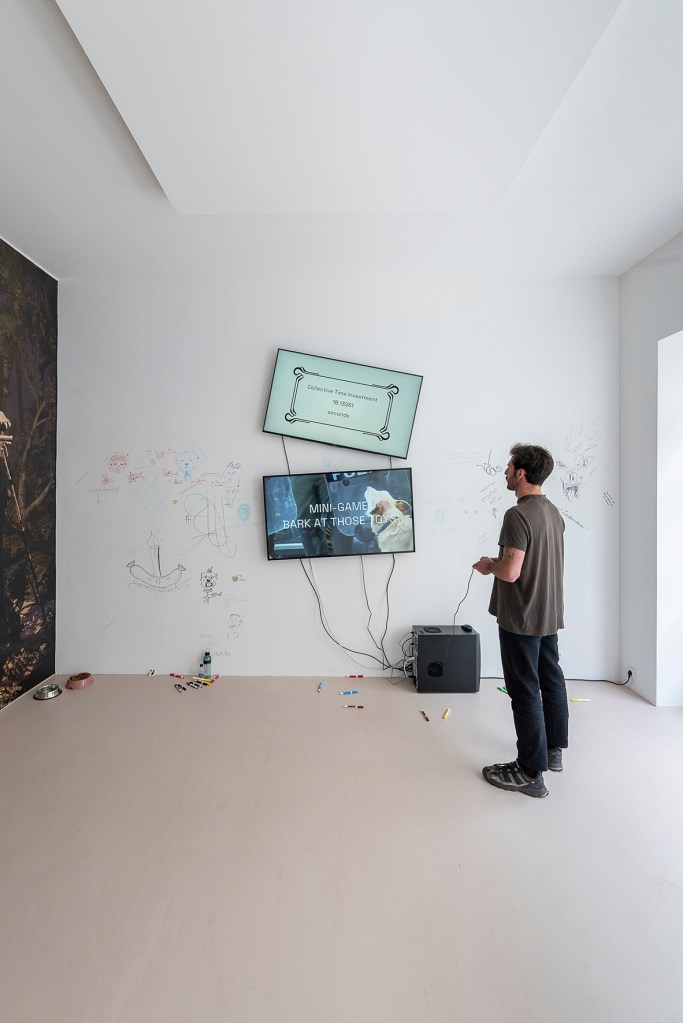
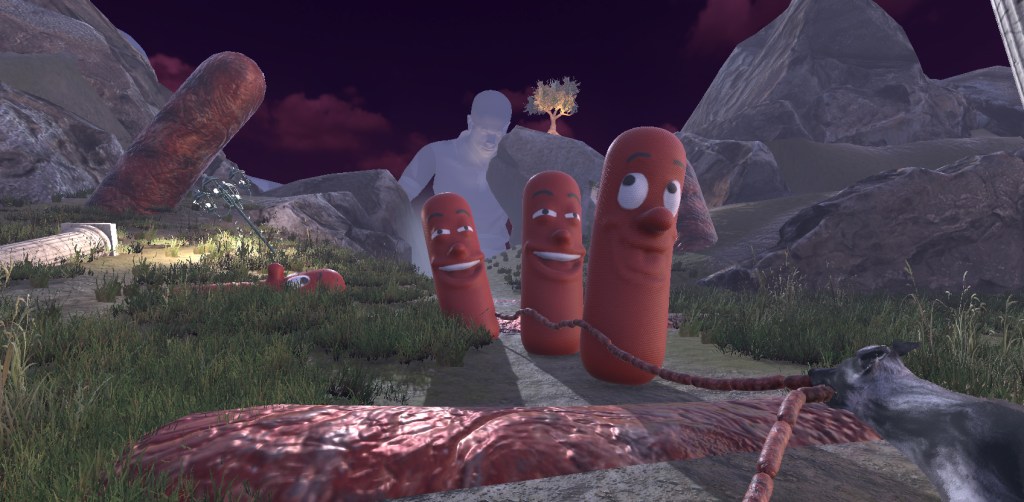
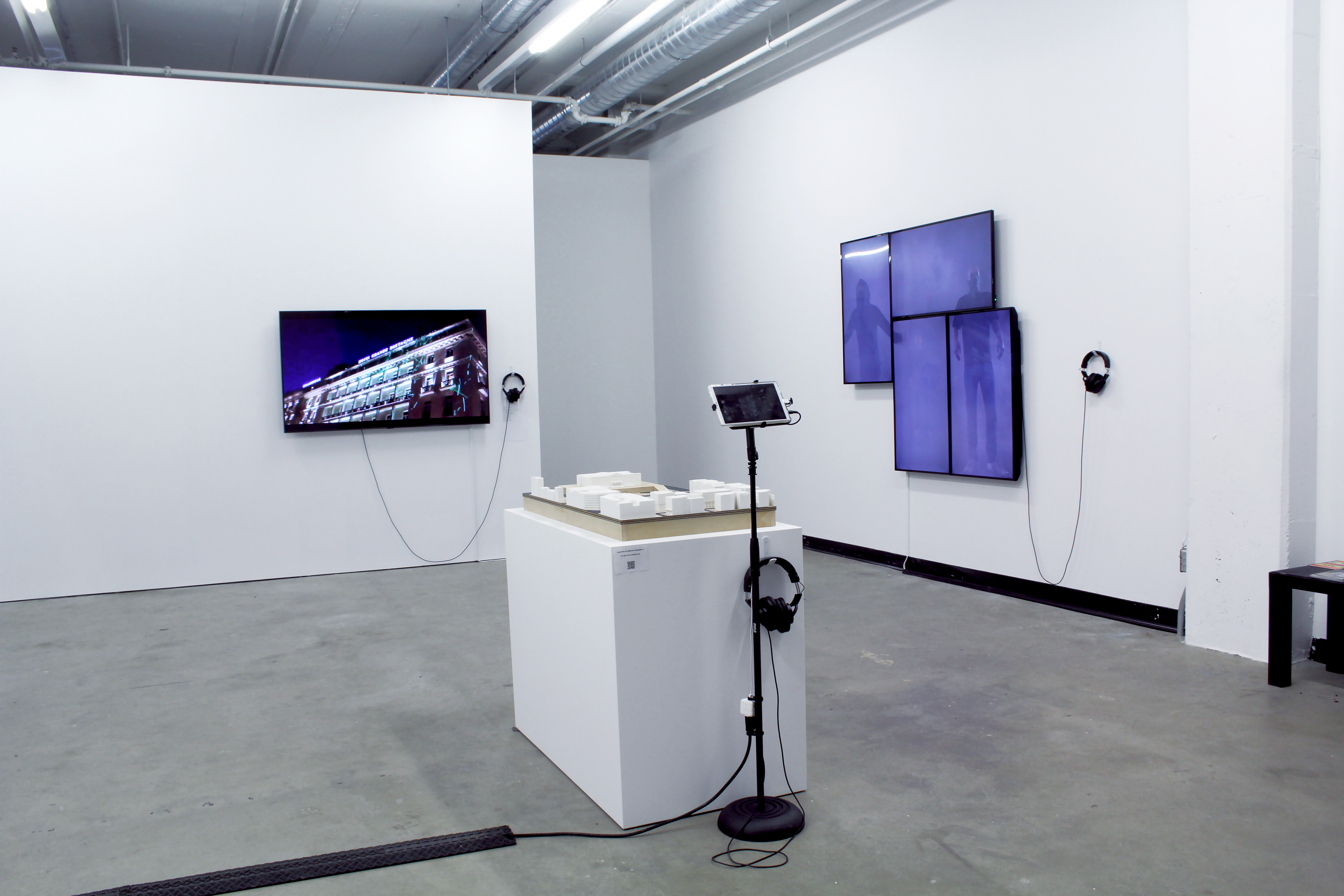
Flowers For Loukanikos analyses how technological tools help cultivate individual engagement and strengthen kinship within communities. Based on the Greek Aganaktismenoi movement and its incredible icon Loukanikos the riot dog, this series blends historical elements and analytical gaming to rethink community in the age of internet 3.0.
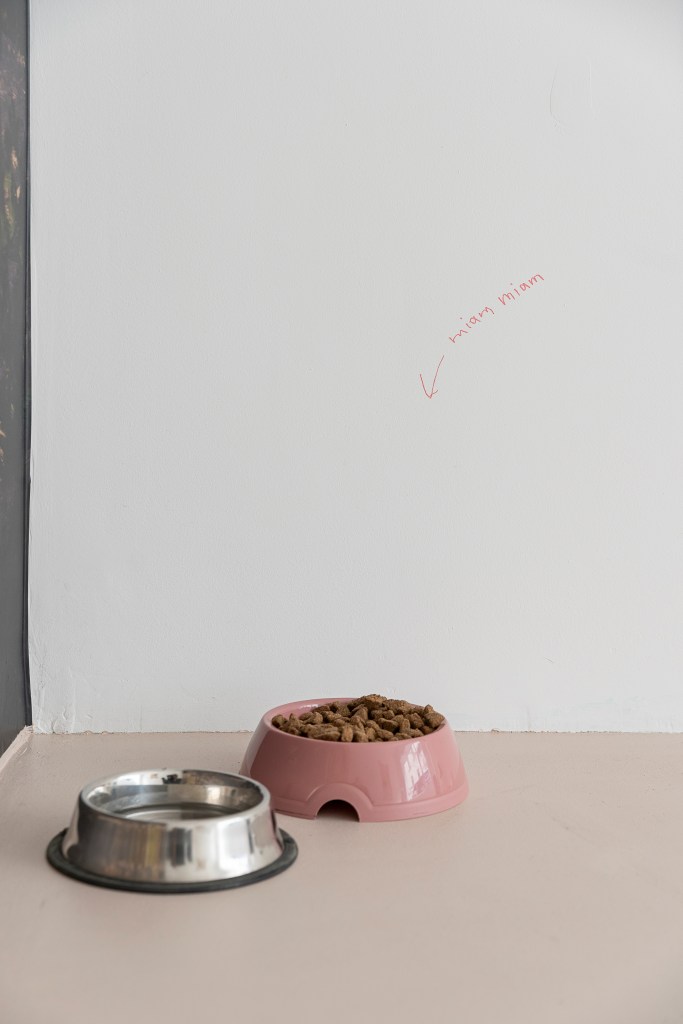
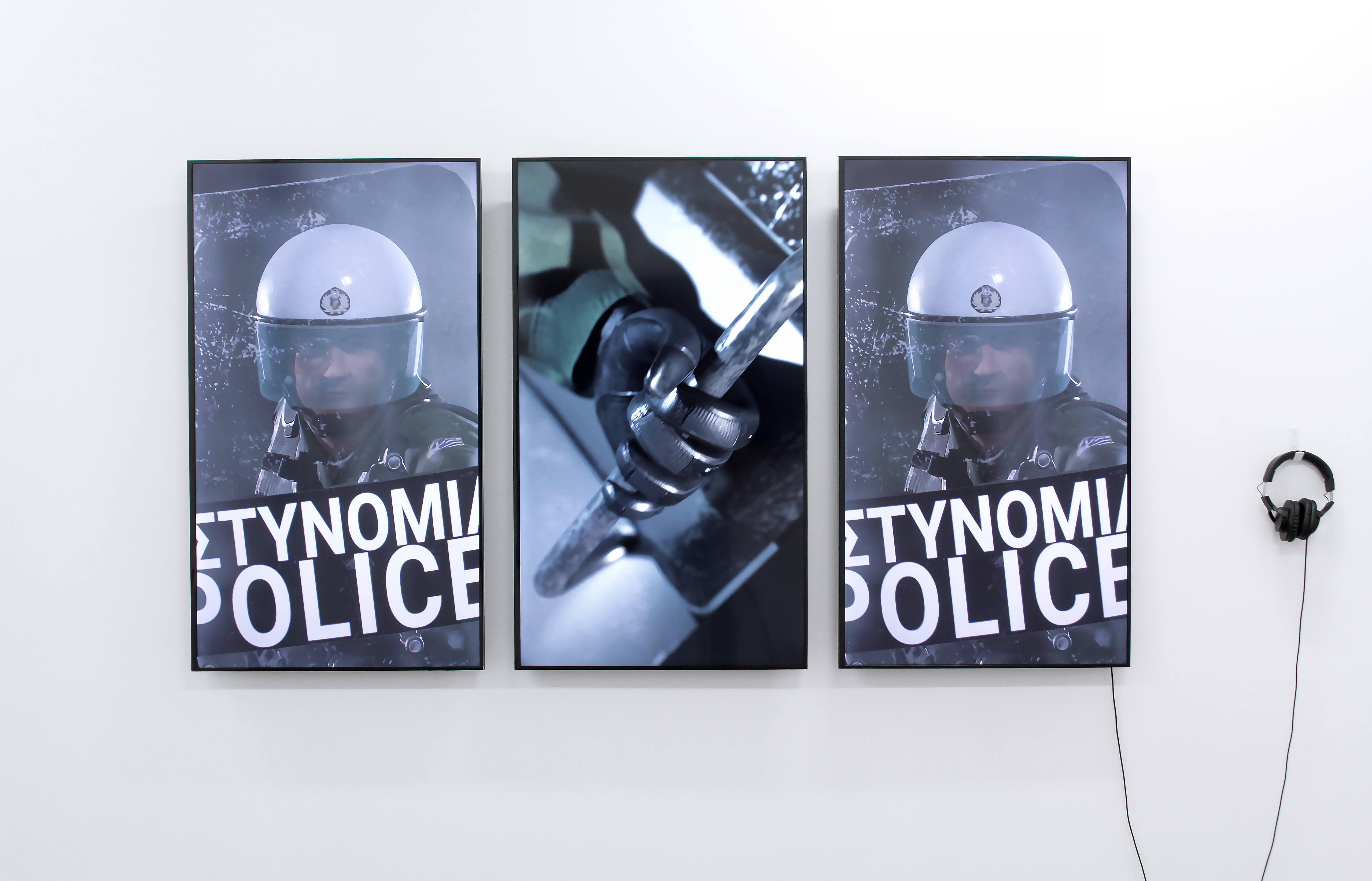
Conceived as a continuing chapter of Aganatismenoi, I am using the passing of this movement greatest icon, in 2015, to envision the public’s role in sustaining a technological approach to social movement. To do so, I am placing visitors in the context of a funeral service and correlate digital tools to flowers to explore how they both function as an act of presence, support and interrelationship. As Goody and Poppi have noted, flowers act as the ongoing witness of the active relationship between individuals while functioning as a way of maintaining networks of kin. (Goody & Poppi 1994, 149-150). Technology allows for gathering, remembrance, participation and collective bonding and support. Through interactive live simulations, gamified experiences, and lyrical video works, I open a discussion on the capacity of individuals, through technology, to impact their surroundings and reinforce their sense of belonging. With Flowers For Loukanikos, the public is invited to examine, experience, and explore together new ways to envision the relationship between technology, extended communities, and solidarity.
Flowers For Loukanikos analyse la manière dont les outils technologiques contribuent à cultiver l’engagement individuel et à renforcer les liens de parenté et de solidarité au sein des communautés. Inspirée du mouvement grec des Aganaktismenoi et de son incroyable icône, Loukanikos, le chien des émeutes, cette série conjugue éléments historiques et expériences vidéoludiques analytiques afin de repenser la notion de communauté à l’ère de l’Internet 3.0.
Conçu comme un prolongement du chapitre consacré aux Aganaktismenoi, ce projet prend pour point de départ la disparition, en 2015, de la plus grande icône du mouvement, afin d’interroger le rôle du public dans la pérennisation d’une approche technologique des mouvements sociaux. Pour ce faire, je place les visiteurs dans le contexte d’une cérémonie funéraire et établis un parallèle entre les outils numériques et les fleurs, afin d’explorer comment les uns comme les autres peuvent devenir des gestes de présence, de soutien et de mise en relation. Comme l’ont souligné Goody et Poppi, les fleurs témoignent de la continuité des relations actives entre les individus, tout en constituant un moyen de préserver les réseaux de parenté et de solidarité. (Goody & Poppi, 1994, p. 149-150). La technologie, quant à elle, permet le rassemblement, la commémoration, la participation ainsi que la création de liens et de formes de soutien collectifs.
À travers des simulations interactives en temps réel, des expériences vidéoludiques et des œuvres vidéo à caractère poétique, j’ouvre une réflexion sur la capacité des individus à agir sur leur environnement par l’intermédiaire de la technologie et à renforcer leur sentiment d’appartenance. Avec Flowers For Loukanikos, le public est invité à examiner, expérimenter et explorer collectivement de nouvelles manières de concevoir les relations entre technologie, communautés élargies et solidarité.
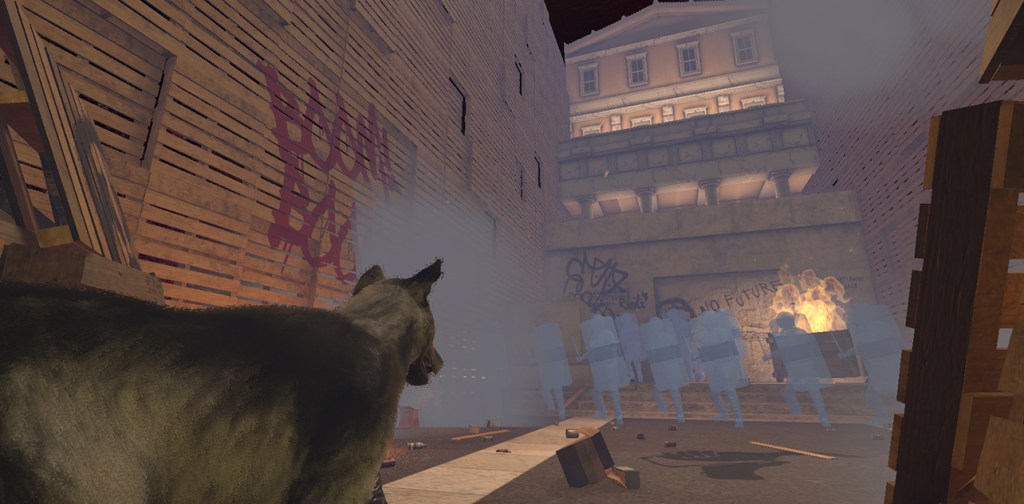
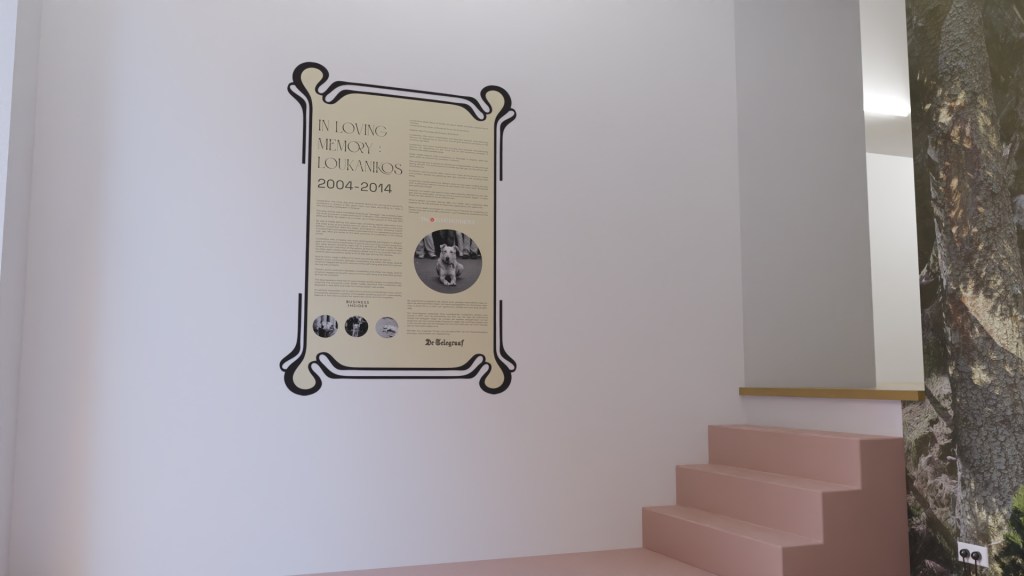
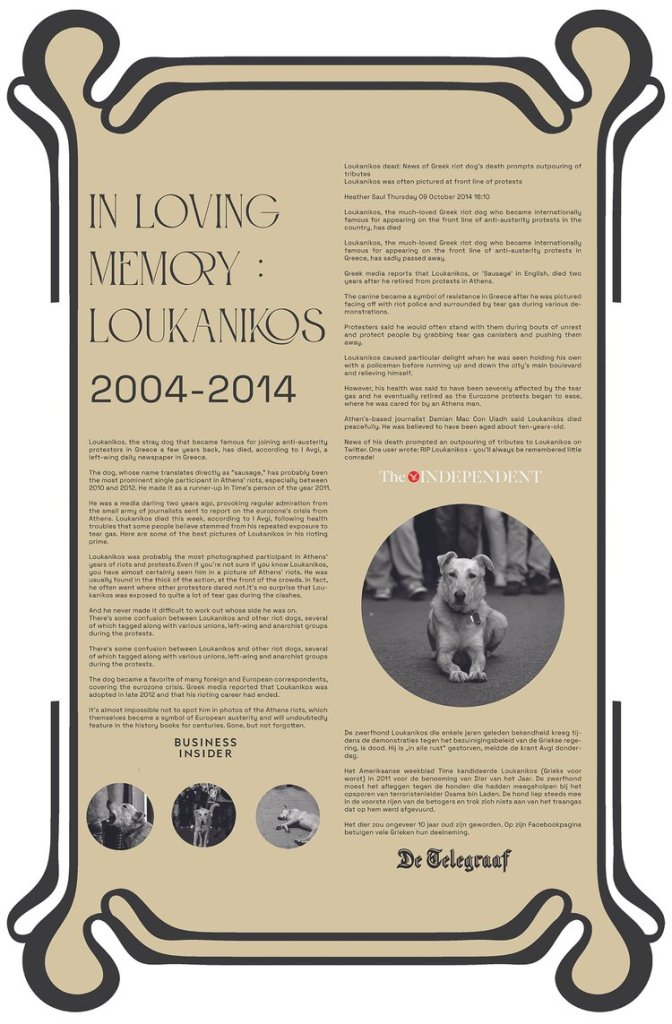
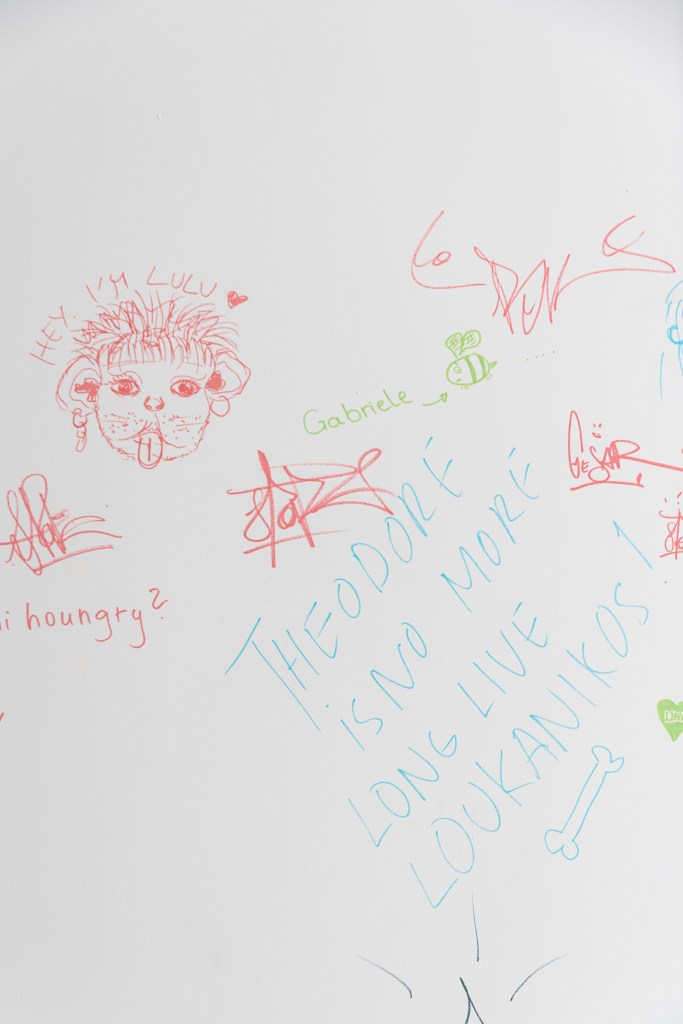
In 2011, the Greek government faced one of the strongest aftermaths of the 2009 U.S financial crisis and neared total bankruptcy. Reforms inflicted by the European Union led to loss of income, retirement pensions, and property for Greek citizens. These reforms triggered mass protests and recurrent clashes with the police in Athens. It also led to a renewed way to actively participate, known as Aganaktismenoi, in which individuals from different spheres of life and different political affiliations gathered in public squares to demand change. This novelty was driven by technology, more specifically social media platforms, and relied heavily on personal implication rather than the traditional political/union-based approach.
Among dissidents were anarchists, socialists, conservatives, but also the city’s stray dogs. Two of the most famous were Loukanikos, who was featured in Time’s Person-of-the-year in 2011, and Kanellos. These dogs’ selflessness, dedication, and their presence is what I believe transformed these animals into icons of this movement.
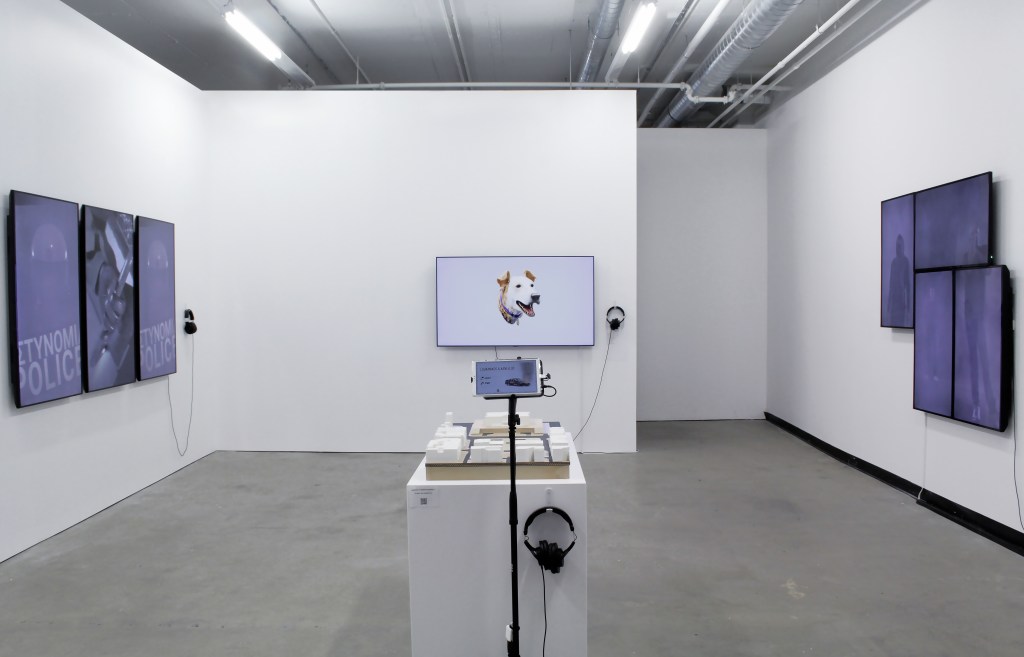
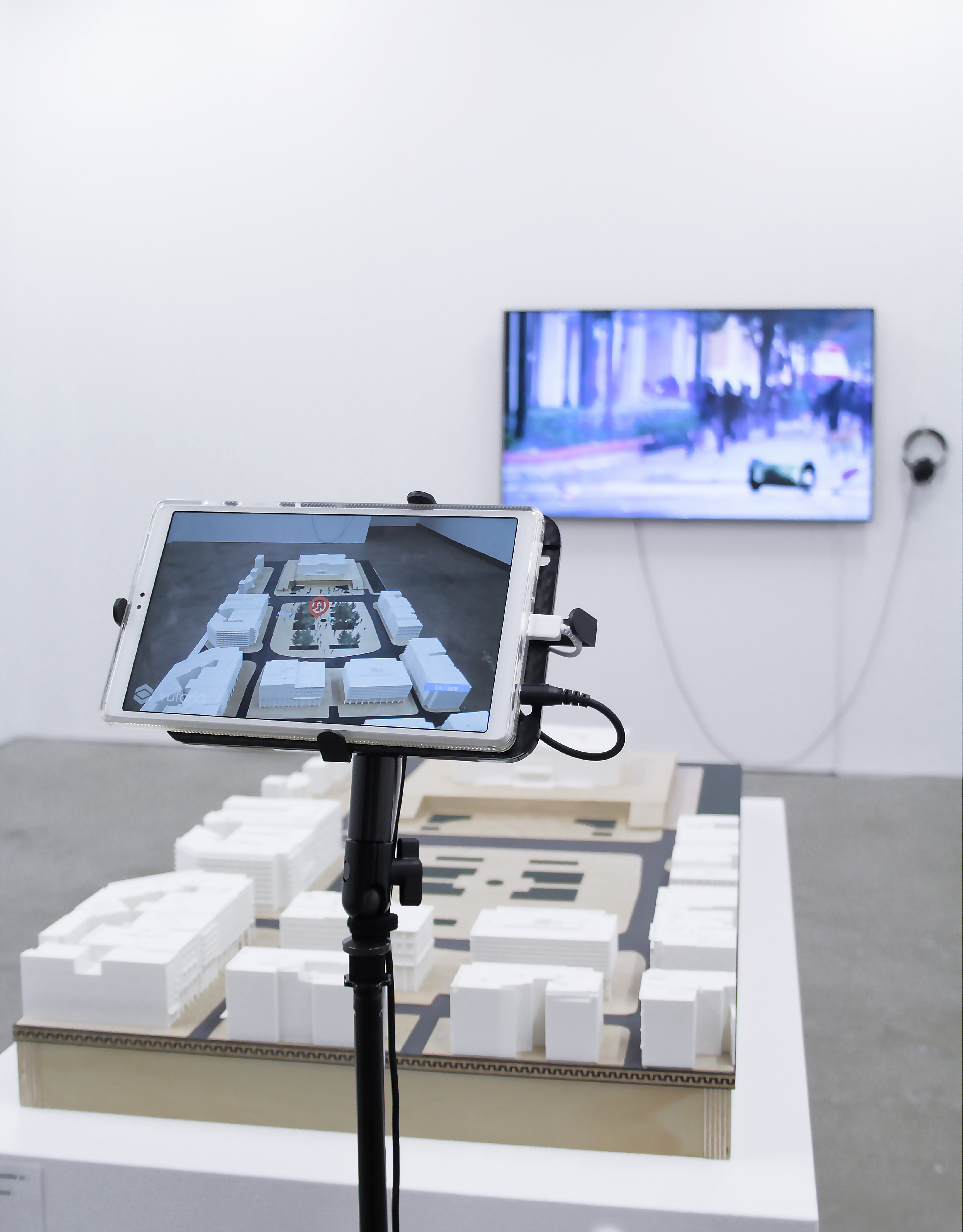
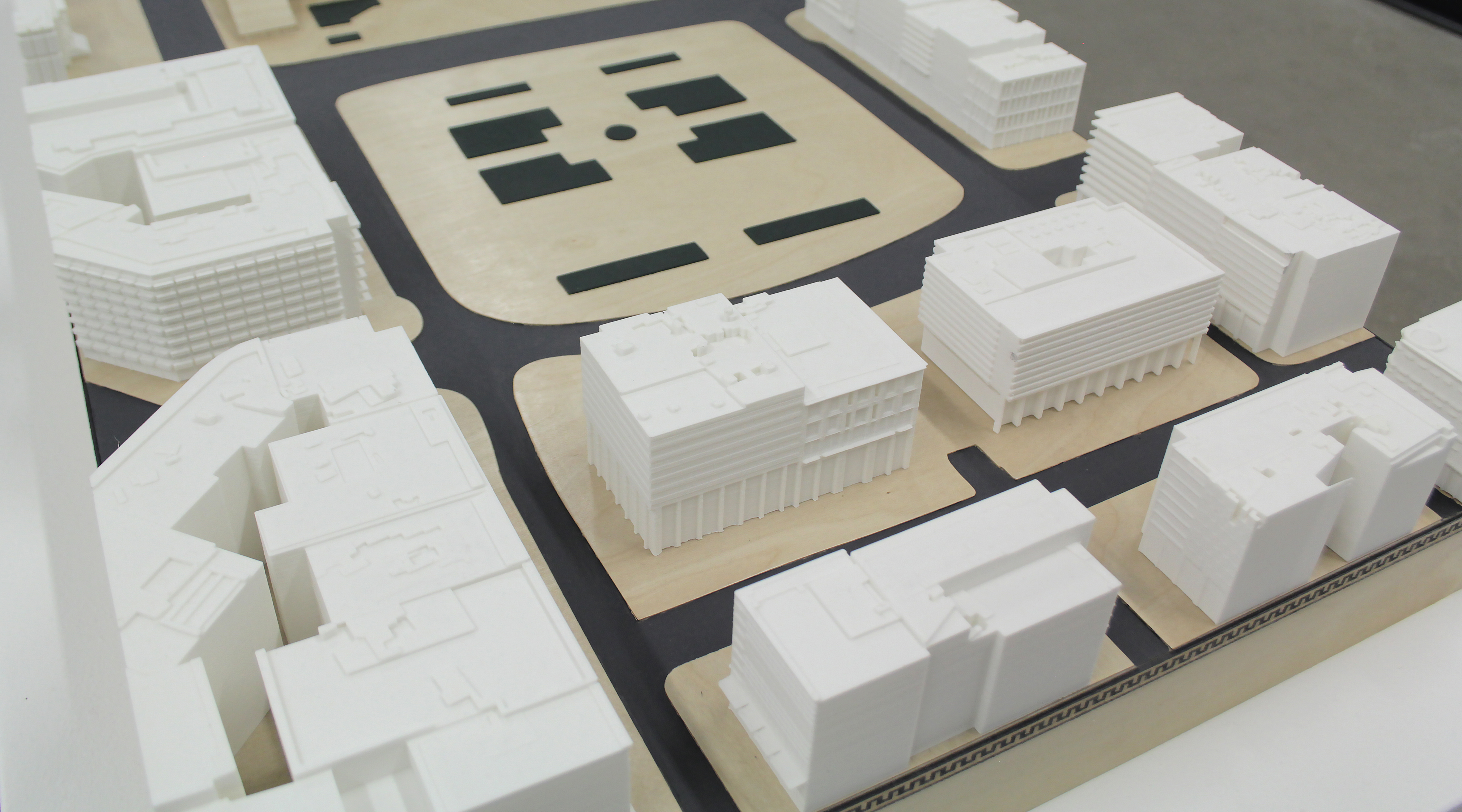
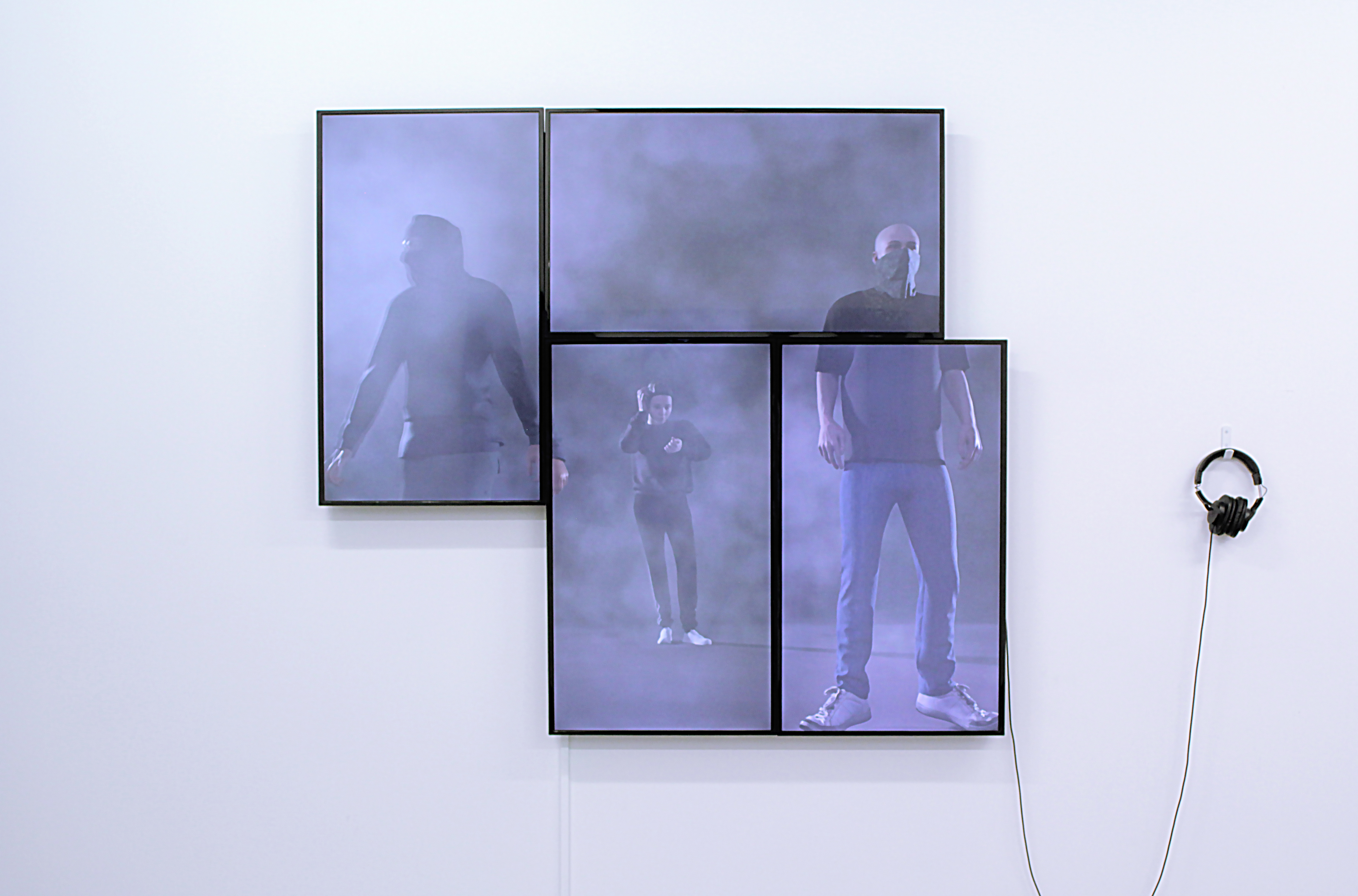
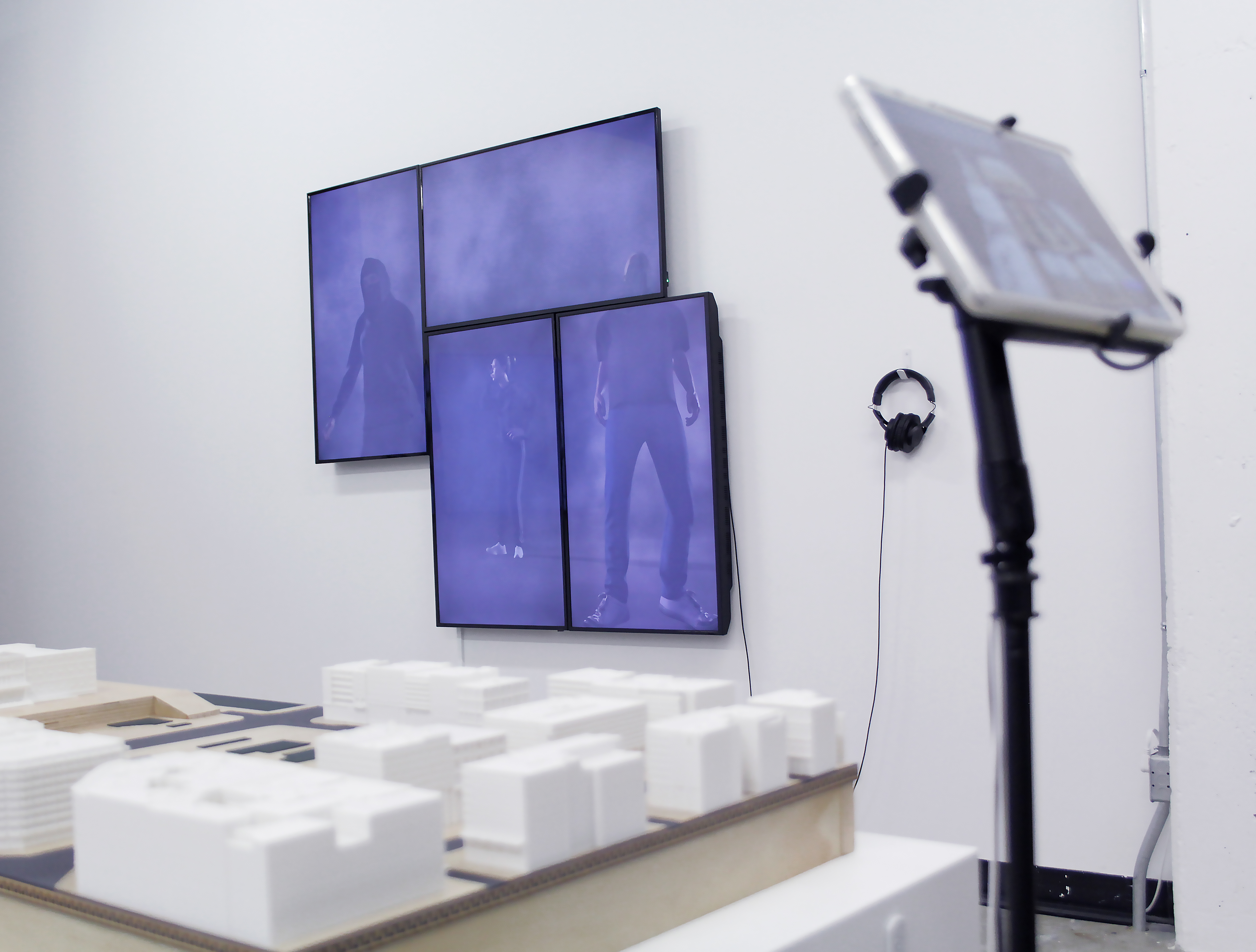
Visually, Loukanikos & Kanellos is an augmented reality projection inserted onto a scaled replica of the Greek parliament and accessible through a tablet. The projection embodies the events regarding the 2011 Greek anti-austerity movement. To have access to this part of the work, visitors have to answer a quick questionnaire on an app. The algorithm will then create a character and insert it in the crowd. They can then see themselves in the scene through the tablet screen. The higher their social involvement, the closer the visitor would be from the dogs.
En 2011, le gouvernement grec a été confronté à l’une des conséquences les plus fortes de la crise financière américaine de 2009 et se rapprochait de la faillite totale. Les réformes infligées par l’Union européenne, en échange de bouées financières, ont entraîné des pertes de revenus, d’une diminution des pensions de retraite et de biens pour les citoyens grecs. Ces réformes ont naturellement déclenché des manifestations de masse et des affrontements récurrents avec la police à Athènes. Cette crise a également conduit à une nouvelle façon de participer activement, connue sous le nom d’Aganaktismenoi, où des individus de différents milieux de vie et de différentes affiliations politiques s’alliaient sur la place Syntagma pour demander un changement. Cette nouveauté était soutenue par une grande utilisation de la technologie, plus précisément les plateformes de médias sociaux, et reposait fortement sur une implication personnelle plutôt que sur l’approche politique/syndicale traditionnelle.
Parmi les dissidents se trouvaient des anarchistes, des socialistes, des conservateurs, mais aussi les chiens errants de la ville. Deux des plus célèbres étaient Loukanikos, qui a été nommé finaliste du Time’s Person-Of-The-Year en 2011, et Kanellos. Le désintéressement, le dévouement et la présence continue de ces chiens sont ce qui, selon moi, a transformé ces animaux en icônes de ce mouvement.
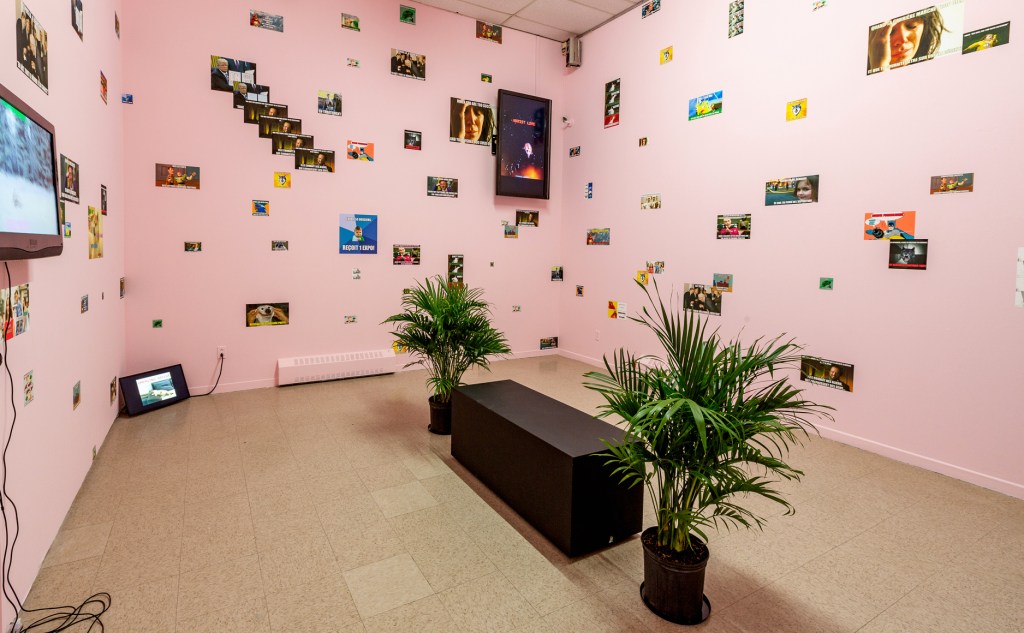
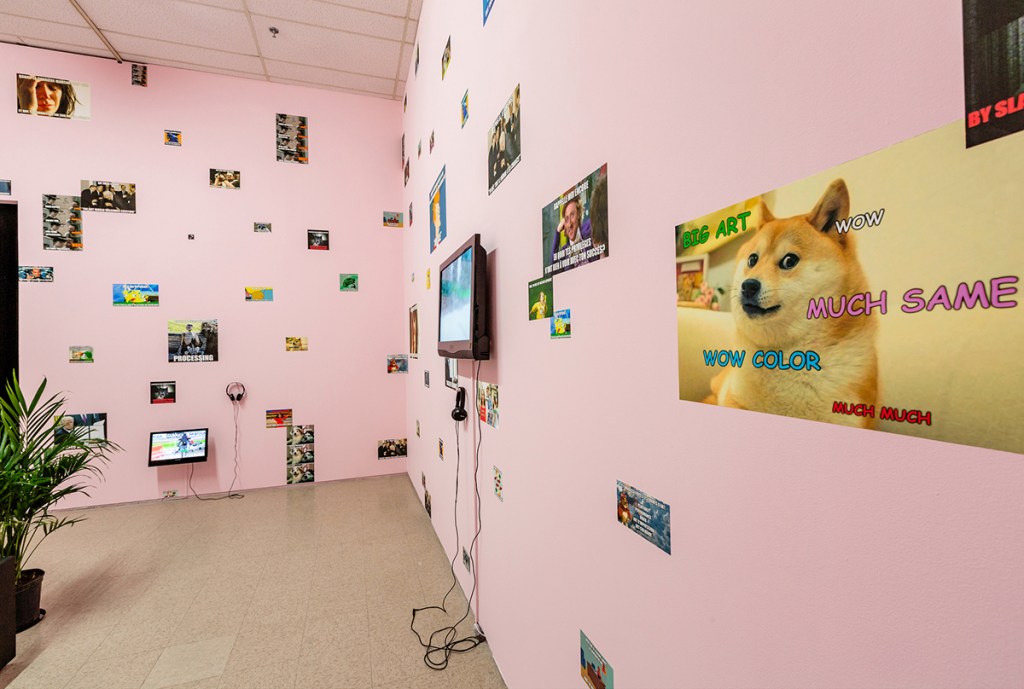
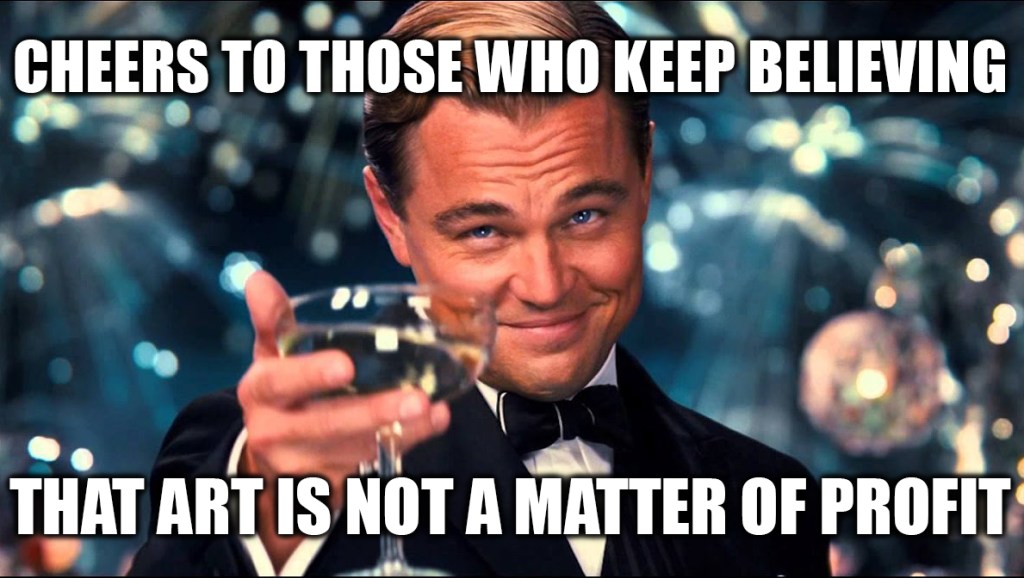
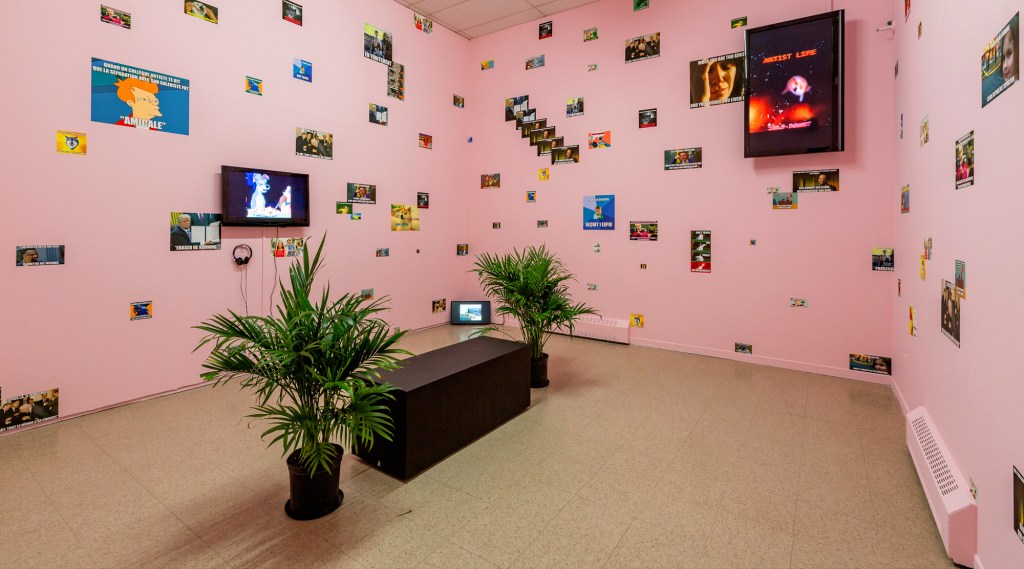
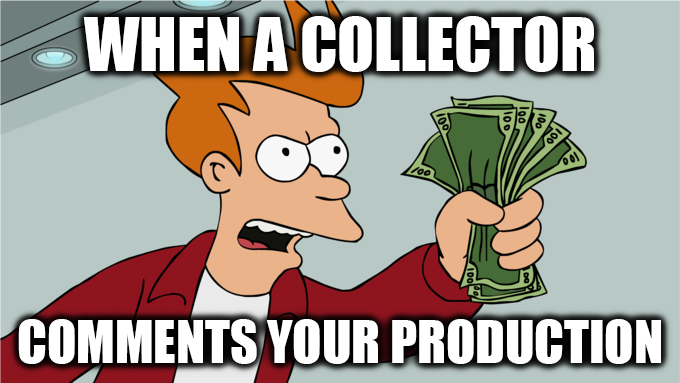
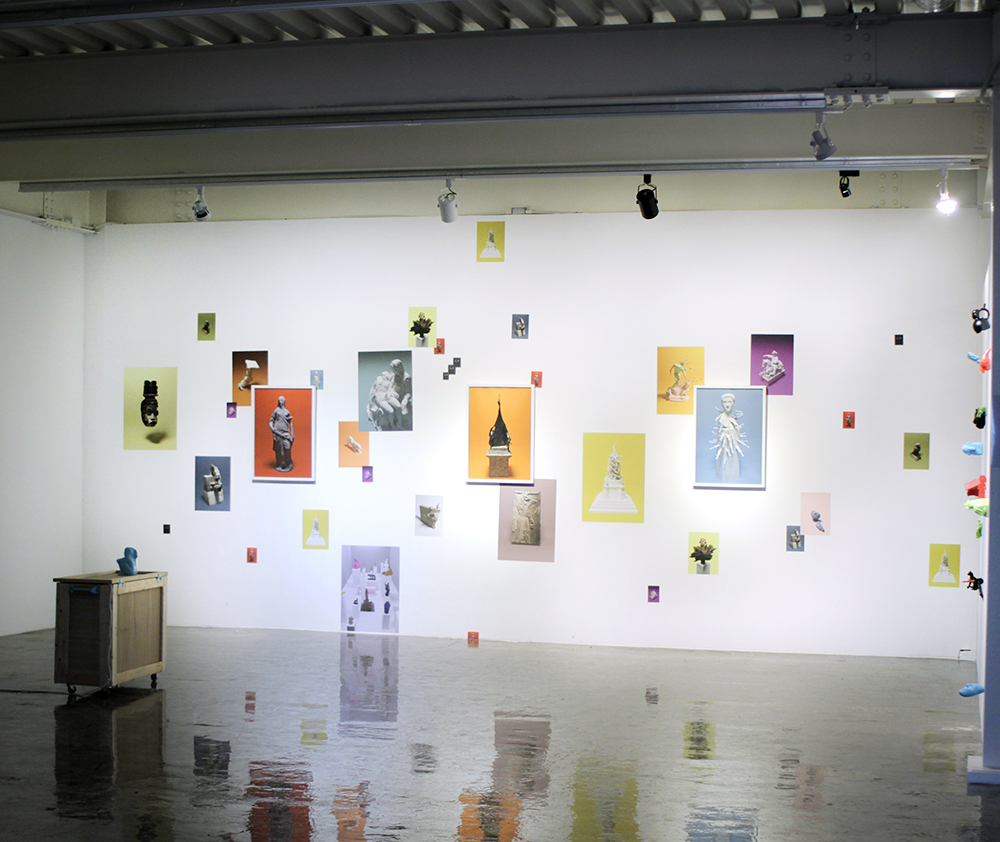
Memesis is an installation that delves into community-making and self-definition in the meme era. Consisting in prints and videos in an installative setup, this work aims at showing how the production of this visual data offers a new approach on how digital communities form and create their own image, socially and individually. Visually, the space is painted in ‘Millenial Pink’, and on the walls are posted digital prints on self-adhesive vinyl. The theme of these works are ‘community’ and ‘meme evolution’ which aims at showing how, through the multiplication of the same image, the community finds a meaning for it. Videos highlight the speed of production of data and are put on the wall in the same chaotic grid-layered as the prints.
Ce néologisme, composé du mot mimésis, l’imitation de la nature par l’Art, et de la mémétique, c’est-à-dire l’étude de la propagation de la culture selon les théories darwiniennes, cherche à souligner l’émergence d’un nouveau type de communauté avec la venue du numérique. Pour ce faire, je me suis intéressé à voir comment les mèmes, ces images de la culture populaire auxquelles sont apposées des phrases humoristiques, servent à construire l’identité de cette communauté, mais aussi de ses participants.
Memesis englobe un travail déjà entamé en 2018 avec “Tous Les Mèmes / Always Meme-cking”, au travers du prix de l’atelier de l’île décerné par le Musée d’Art Contemporain des Laurentides. Cette recherche m’a permis d’explorer l’importance culturelle et sociale de ce langage visuel qu’est le mème et de souligner en quoi celui-ci est la forme d’expression d’une génération élevée aux côtés de cette nouvelle technologie qu’est internet.
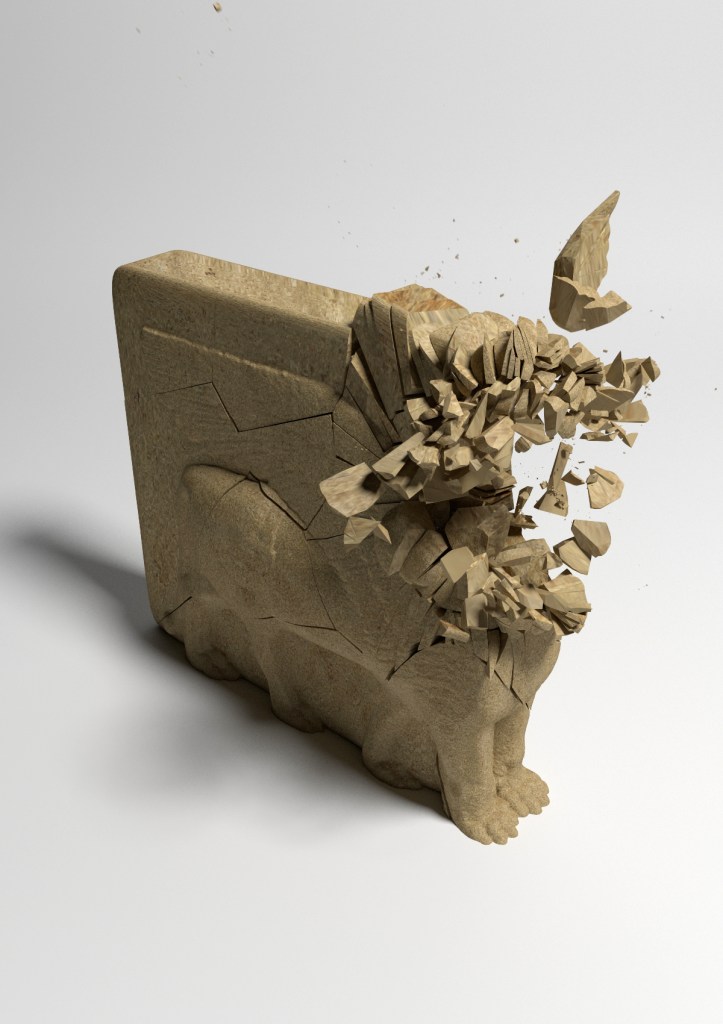
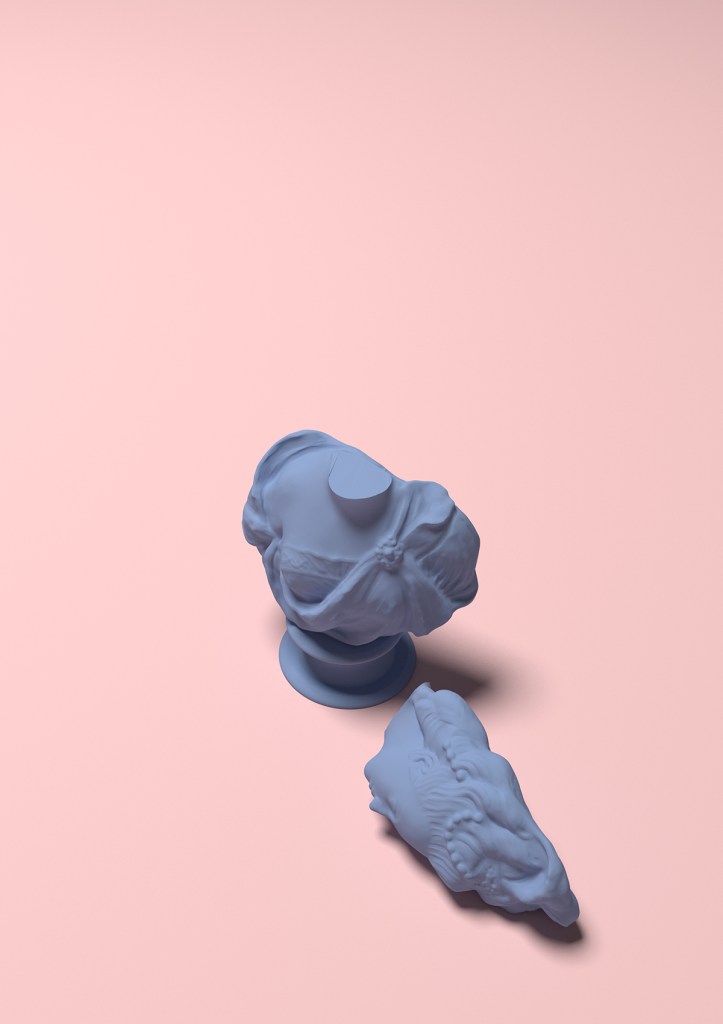
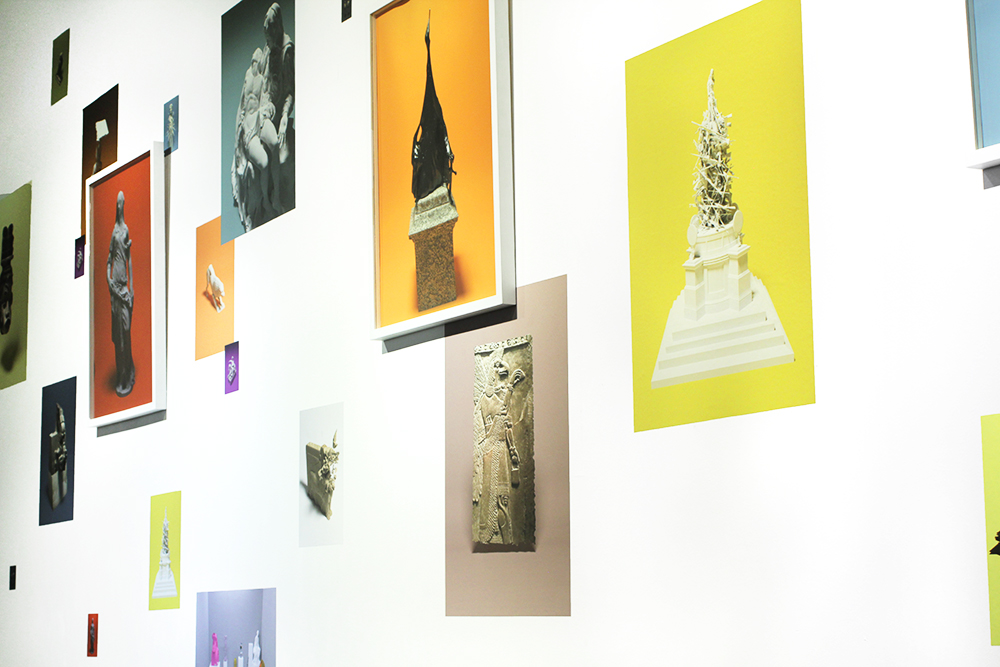
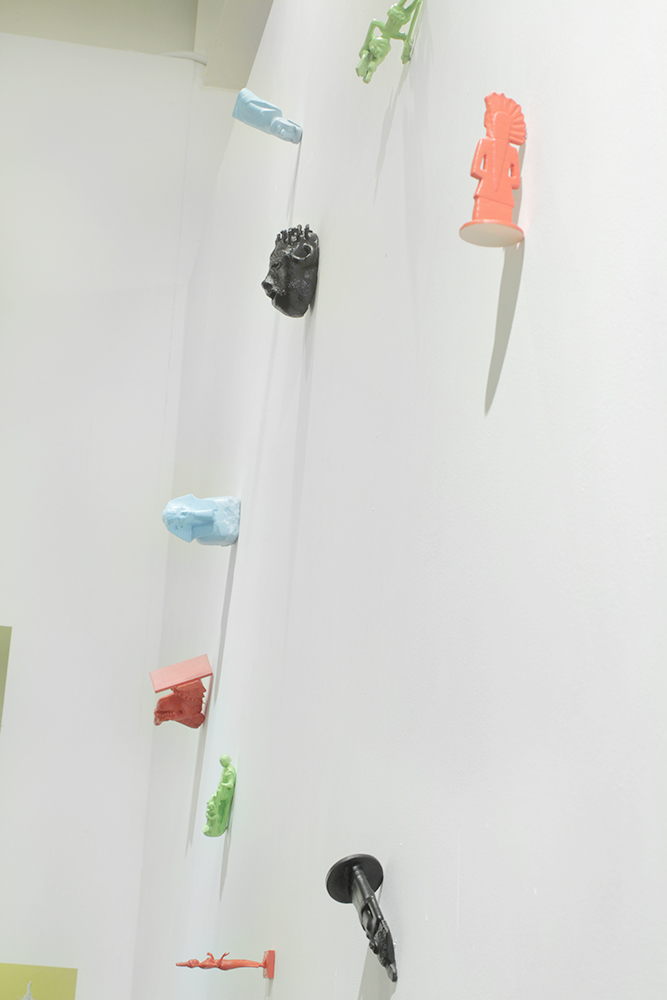
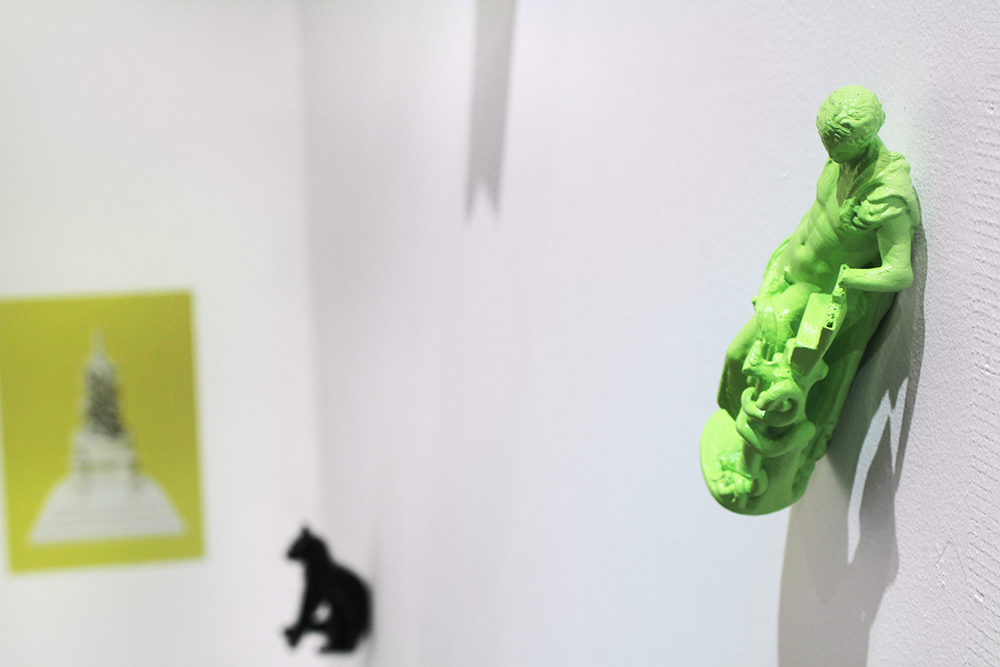
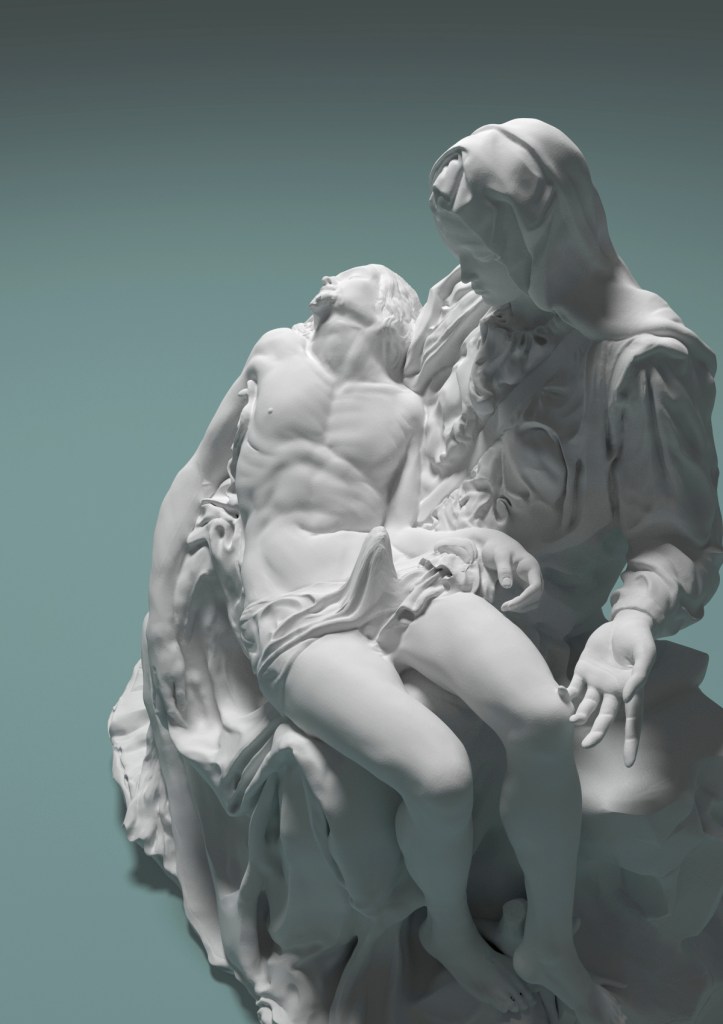
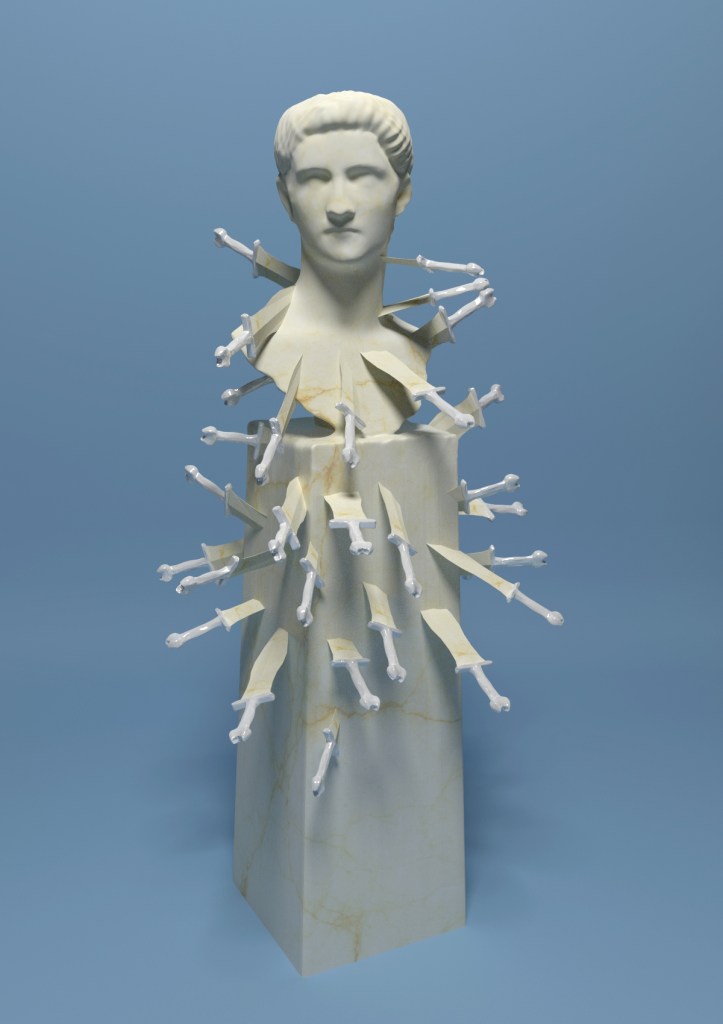
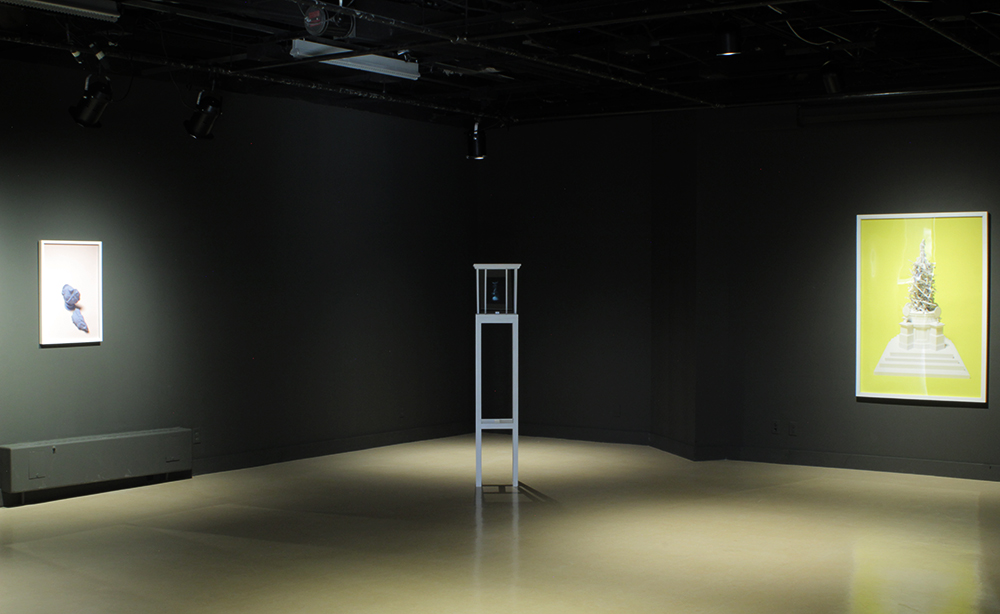
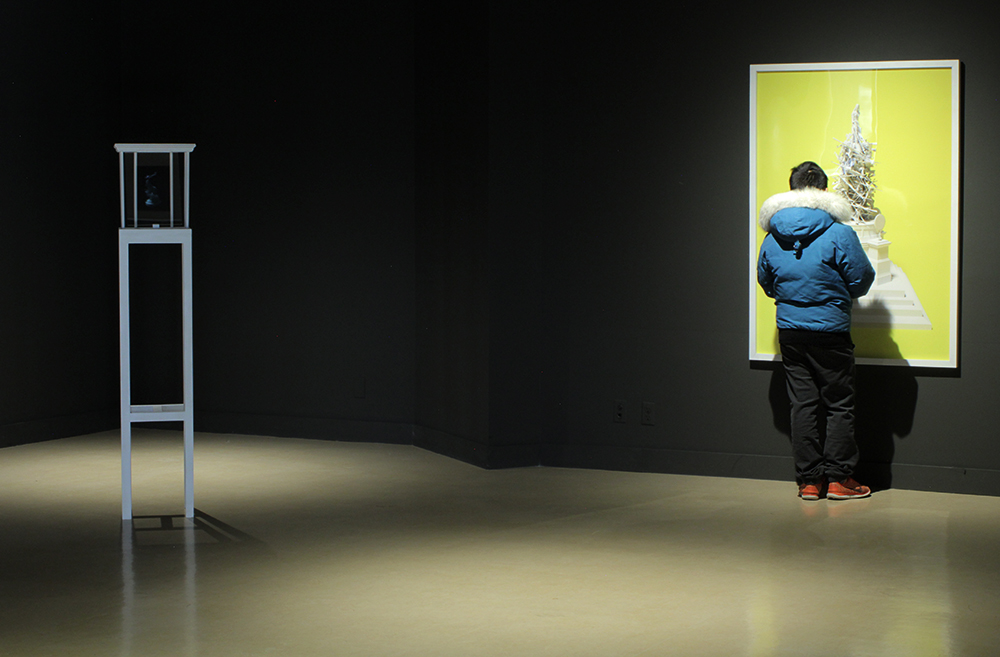
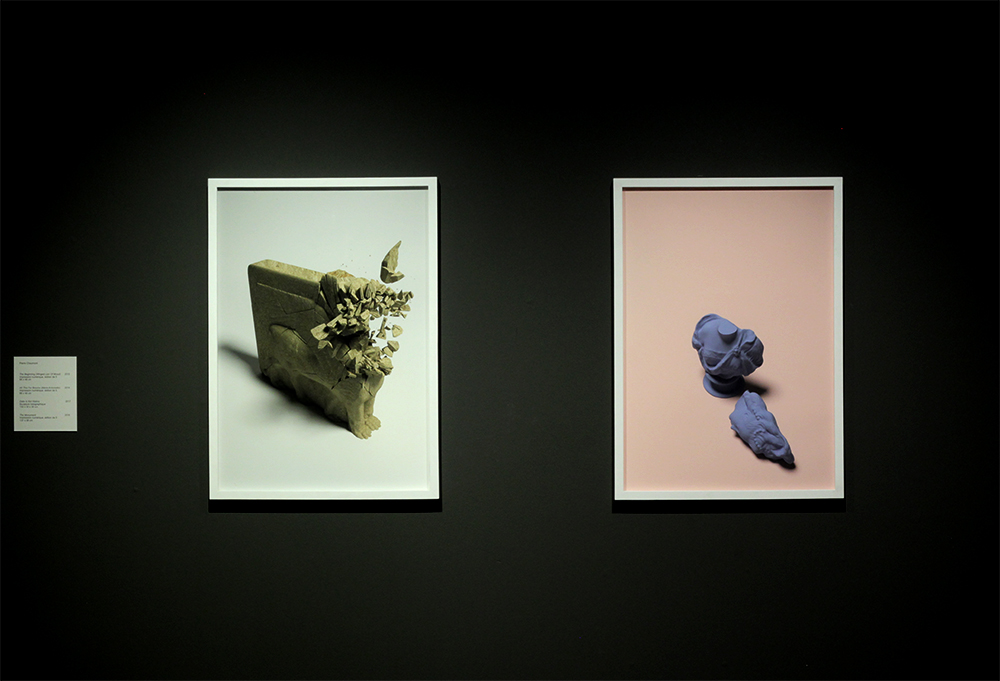
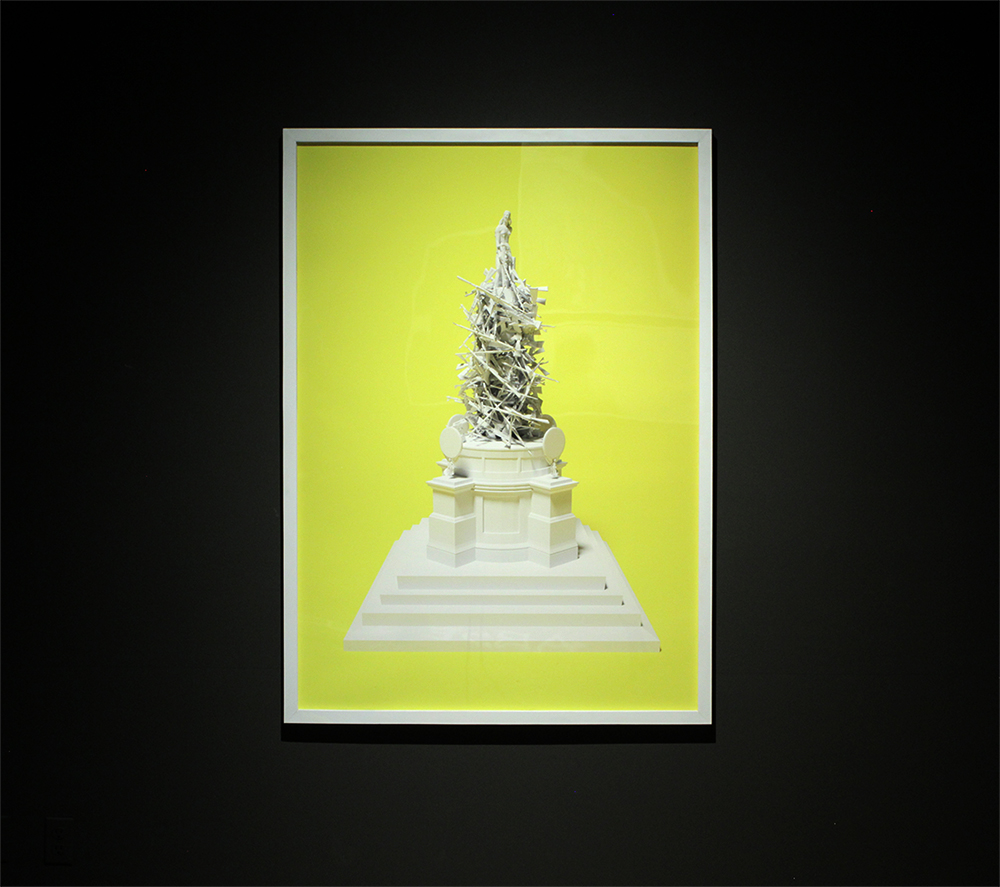
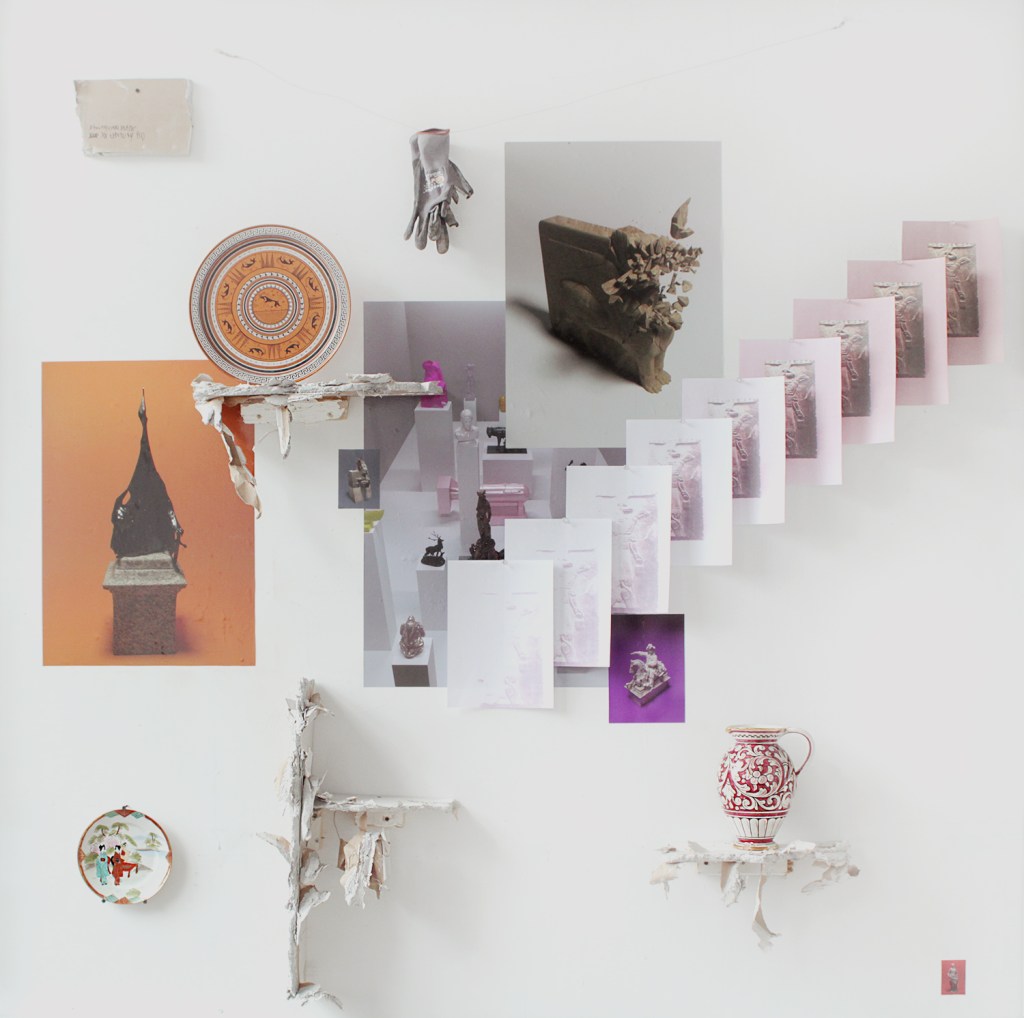
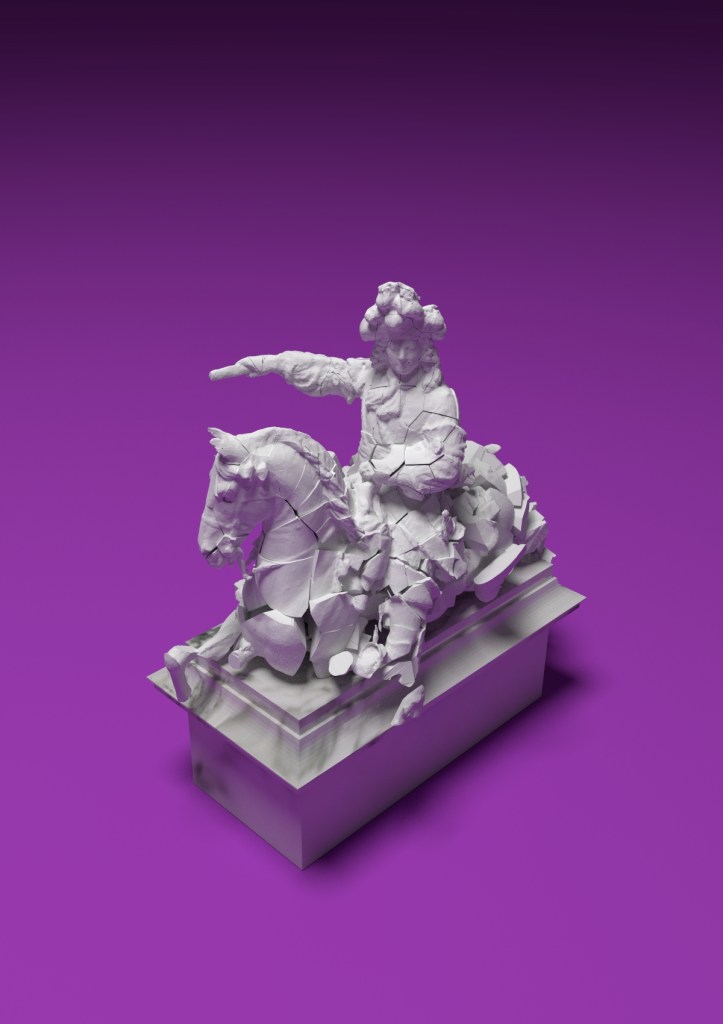
The destruction of world heritage sites and artworks in Mosul, Iraq, in February 2015, sparked a global move to digitize and preserve important works and monuments. Institutions and individuals were called upon to create, refine and disseminate digital scans of the lost works of art. By being available to anyone having access to a computer and Internet, a fundamental shift operated which is reshaping our relation towards Art and how we experience it. This process is transforming where we experience Art, as every scanned object is now accessible regardless of location, wealth or ownership. During the process of this digital translation the market value and the aura of each and every original piece is stripped away to, alternatively, leave only the history and its cultural value.
The malleability of the scans generates a paradigm shift; these cultural objects become materials that can be rethought and reassessed, actualizing how we learned to memorize them. In a sense, it reignites the discussions about the works by introducing a gap with the original, therefore putting it in a liberated and experimental zone. The institutions have “the power to interpret the archive” as Derrida mentioned, but as soon as the file is downloaded and activated by the viewer, artist or historian, they in turn become the interpreters.
The 3D archive is a fascinating double-edged sword. It questions anew our vision of the museum, our experience with Art, and the way we archive in the digital era. It can also be a tool for cultural hegemony, where Historical facts are erased or forgotten to the benefit of the institution producing it, henceforth reinforcing the gap between cultures. Finally, the 3d archive is nonetheless an effective countermeasure to cultural biases, a tool for disenfranchised communities to put forward a more complete and inclusive History.
La destruction de monuments et d’œuvres historiques à Mossoul, en février 2015, déclencha une initiative mondiale pour préserver numériquement les patrimoines universels. Par la création d’une gigantesque archive 3D de ces œuvres originales, disponibles gratuitement à quiconque, une transformation fondamentale eut lieu quant à notre relation à l’Art et la façon dont nous en faisons l’expérience. Parce que ces fichiers sont la pelure visible des œuvres ou monuments originaux prise invisiblement et directement, ils regorgent de la même valeur culturelle que ceux-ci. Au travers de cette traduction numérique, la valeur marchande et l’aura sont soustraites pour ne laisser, au contraire, que son concept et son importance culturelle.
C’est par ce glissement de l’institution muséale vers le musée numérique, qui prend forme dans l’ordinateur par la récolte des fichiers 3D, que la question de la valeur culturelle se pose. Si, comme le mentionne Adorno, le musée est l’endroit où l’œuvre demeure figée pour l’éternité, sa contrepartie numérique, elle, permet une remise en question conceptuelle et plastique de ces canons par l’introduction des fichiers dans un programme 3D. En quelque sorte, ceci relance la discussion à propos de l’œuvre grâce à cette distanciation avec l’original, la mettant dans un espace expérimental et libéré.
De plus Derrida nous rappelle qu’il n’y a pas de pouvoir politique sans un contrôle de l’archive, voire de la mémoire. L’artiste, maintenant devenu commissaire, producteur, et créateur, devient garant d’un nouveau point de vue sur l’objet et met de l’avant, par la même occasion, une Histoire hors du musée traditionnel.
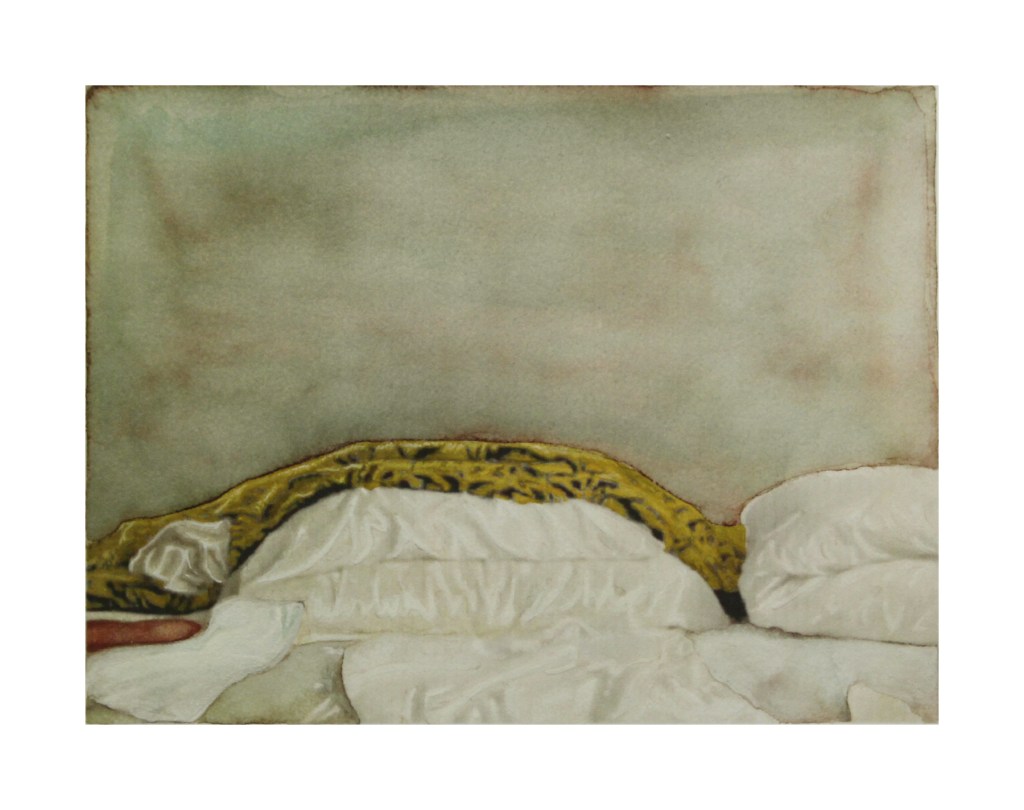
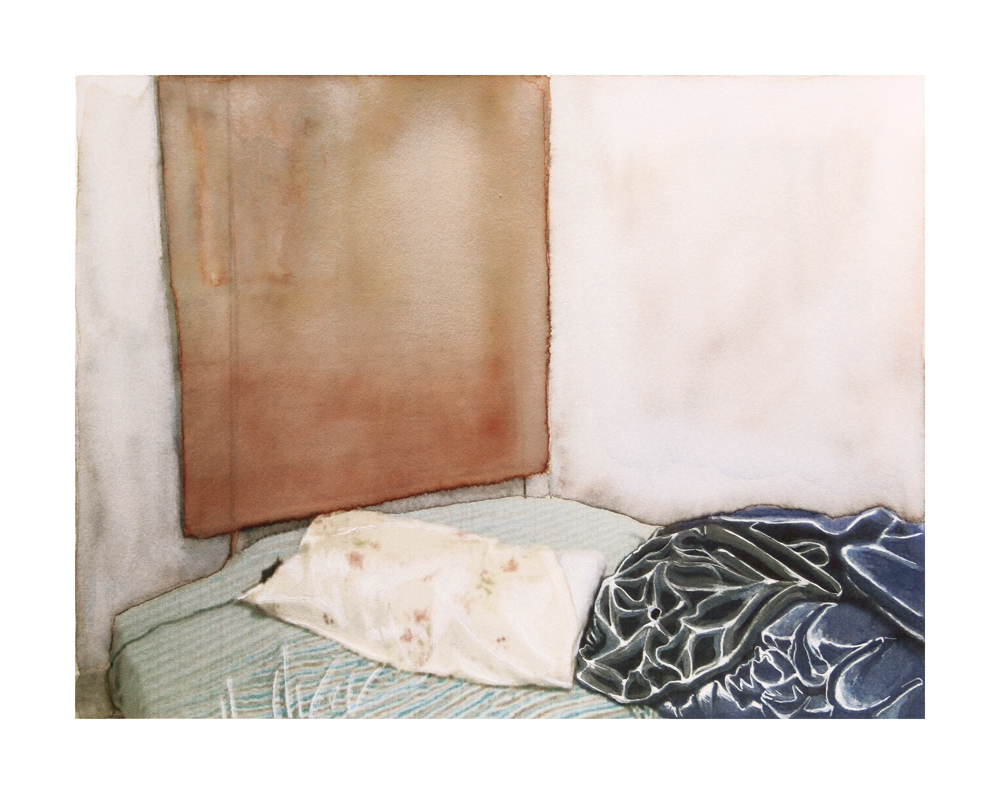
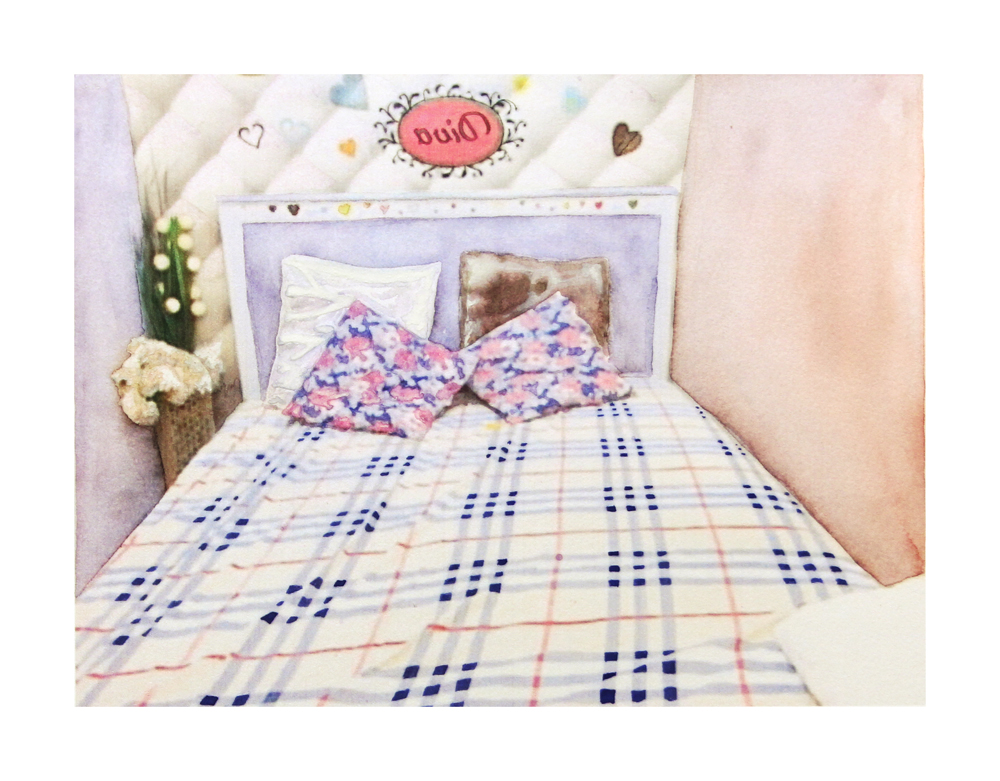
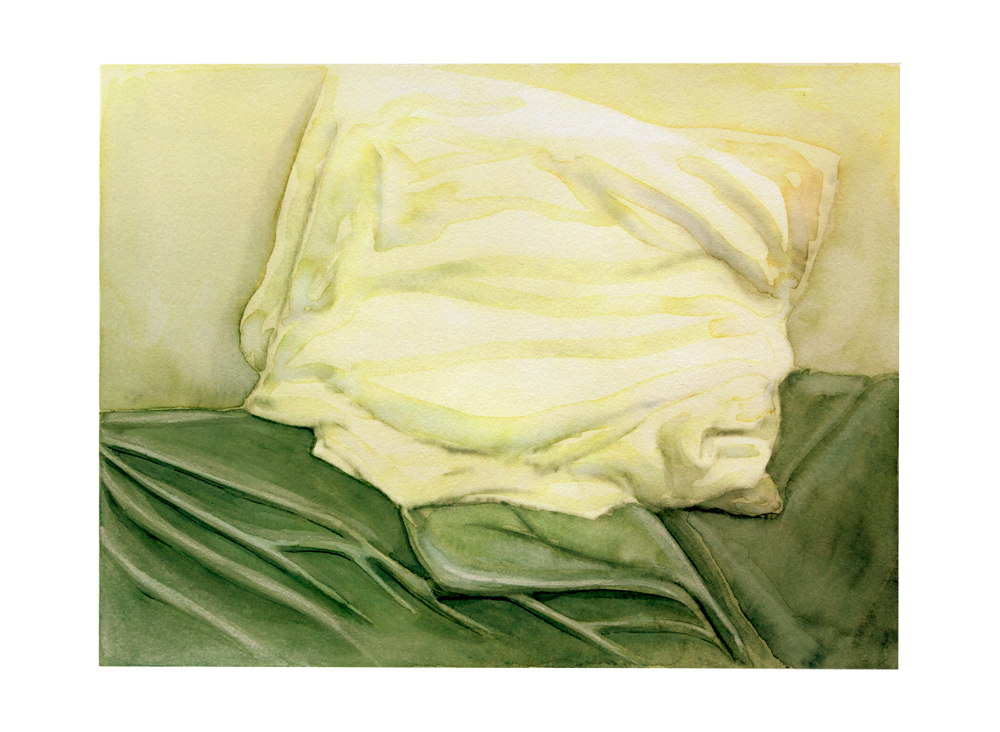
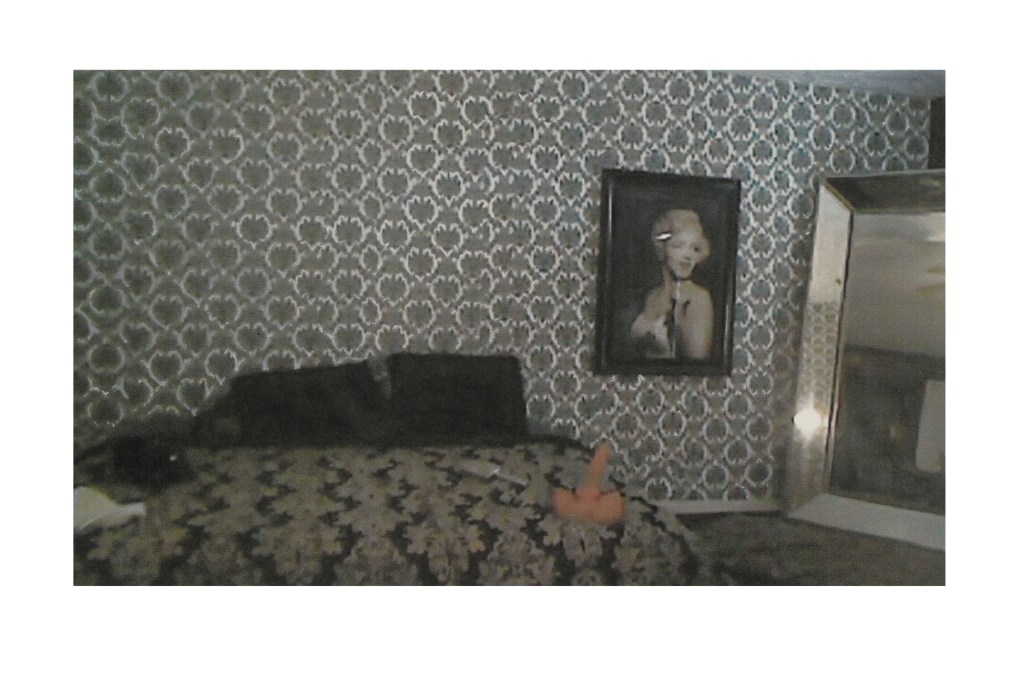
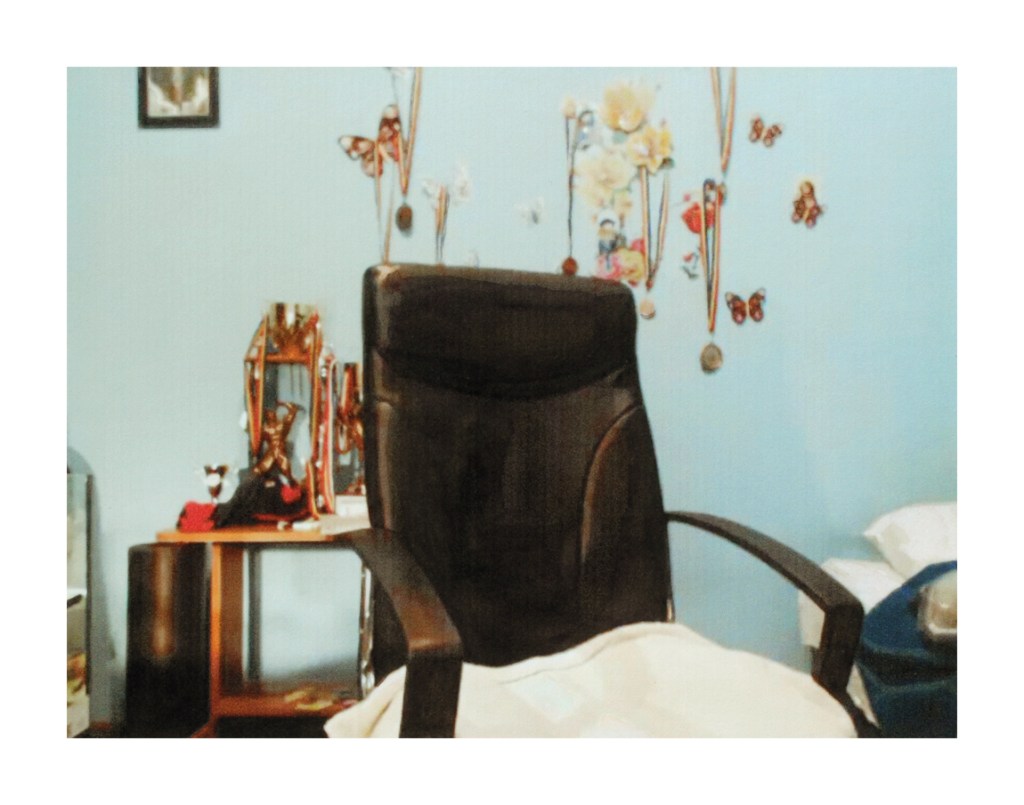
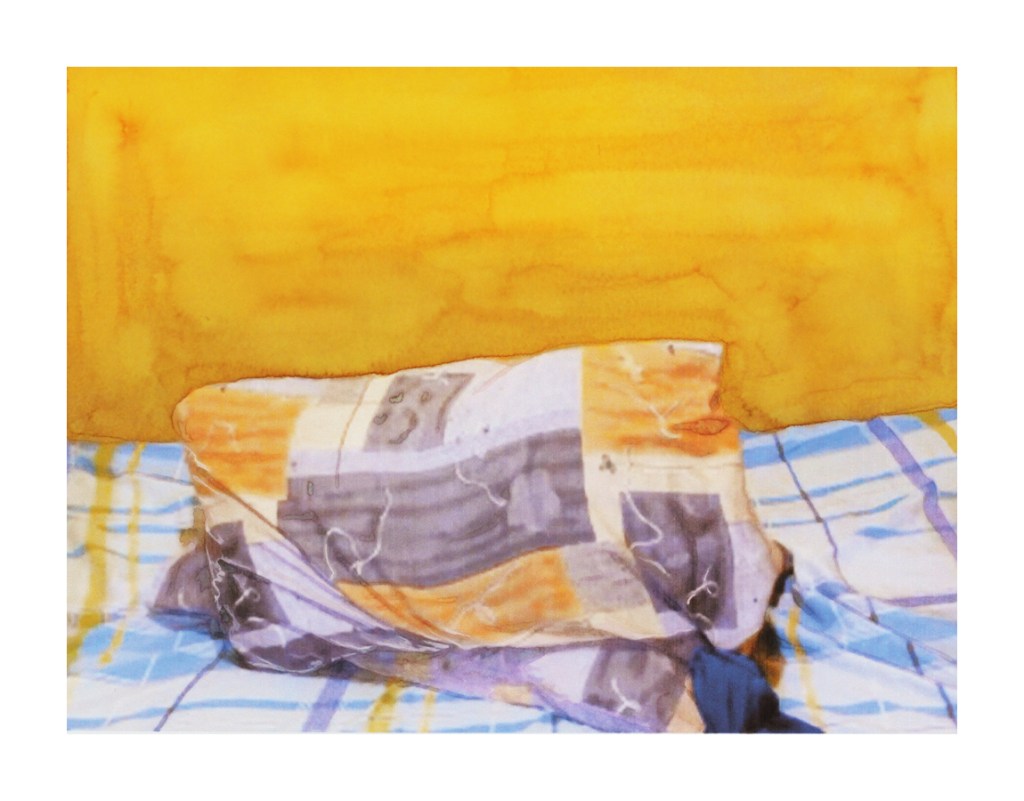
An unmade bed, the imprint of a head on a white pillow, towels placed nearby as if to protect the mattress cover. Then I move on, finding myself somewhere else: this time, bare walls feature only a painting depicting a rather ordinary landscape, onto which a life-size taxidermied lynx has been mounted, sitting on a tree branch. Beneath it, a brown sofa holds two cushions: one patterned with cats, the other depicting a one-hundred-dollar American bill. Here I am, immersed in these intimate worlds, exposed to the eyes of all, in these windows that my hosts open to me at their discretion.
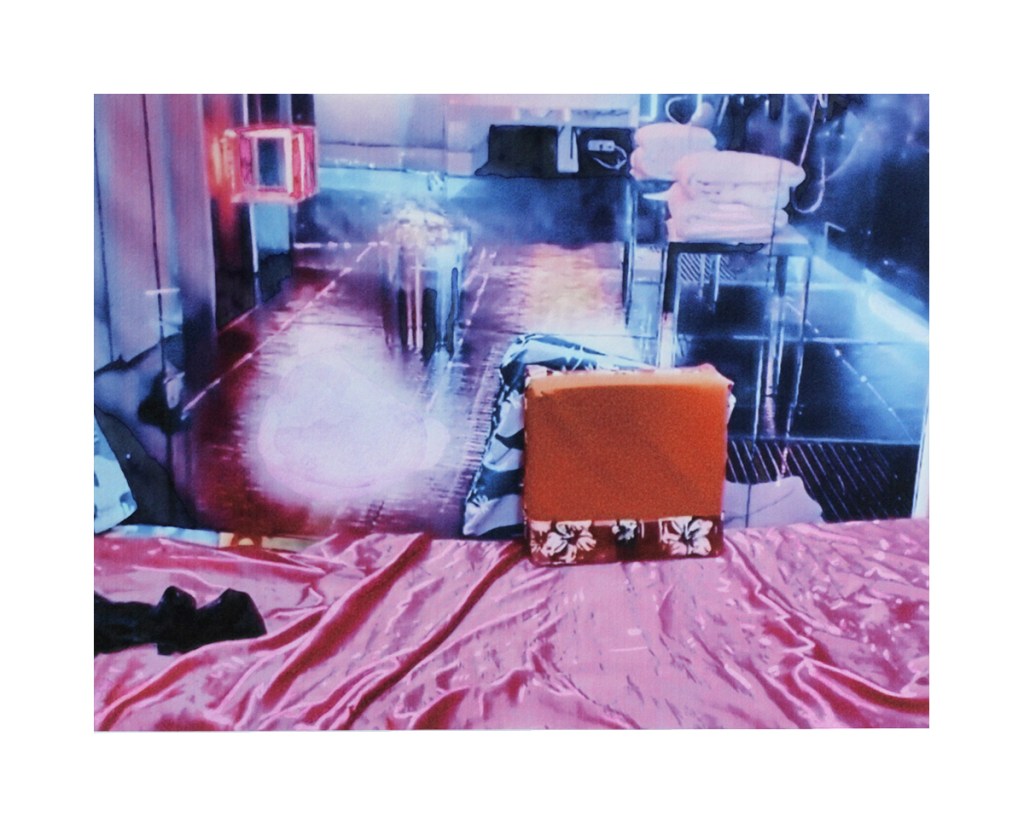
This journey through the world of sex cams — where hosts (men, women, transgender people, etc.) sell sexual acts by the minute in front of their webcams — began while listening to a song by Marvin Gaye entitled “Sunny.” In this song, the singer praises his love and the positive impact this relationship has had on his life, without any indication of reciprocity. It was at that moment that I began searching the internet for this new way of loving, because in the world of the web, intimacy belongs to the public domain. I wanted to find an intimate relationship in which two individuals exchange desires that are unambiguous and mutually accepted. And so here I am, in the “Free Chat” section, where hosts and clients talk and forge connections. The more time they spend together, the more their desires — whether sexual, financial or emotional — intensify. Every now and then, the host has to step outside the webcam’s frame, for one reason or another. It is at that precise moment that I take a screenshot, as it represents the point at which desire reaches its peak.
I then print these images and transform them into what I call chimera prints. This process involves using the solvents associated with the original printing technique to alter the final result. In my case, I work with water-soluble pigments, allowing the finished work to oscillate between watercolour painting and digital printing. In this context, this process also serves as a way of introducing a degree of subjectivity into the original image, blurring the line between desire and fact. Each title is a stanza taken from the original song, linking the image to the experience I had while listening to it.
Un lit défait, une marque de tête imprimée sur un oreiller blanc, des serviettes mises à proximité comme pour protéger le couvre-matelas. Puis je change, me voici ailleurs : cette fois-ci, des murs dénudés n’ont pour décoration qu’une toile représentant un paysage assez commun sur lequel a été apposé un lynx empaillé taille réelle assit sur une branche d’arbre. Dessous, un canapé brun où reposent deux oreillers : l’un au motif de chat et l’autre un billet de cent dollars américain. Me voilà dans ces mondes intimes aux yeux de tous, dans ces fenêtres que mes hôtes m’ouvrent à leur guise.
Tout ce parcours dans le monde des sexcams, c’est-à-dire le fait que des hôtes (homme, femme, transgenre, etc.) vendent à la minute des actes sexuels en face de leur webcam, a commencé au moment de l’écoute d’une chanson de Marvin Gaye intitulée « Sunny ». Dans cette œuvre, on entend le chanteur louanger son amour et du bien que cette relation lui apporte sans pour autant deviner une réciprocité. C’est à cet instant que je me suis mis à chercher cette nouvelle façon d’aimer sur internet, car dans le monde du web, l’intime est du domaine public. Je souhaitais trouver une relation intime où deux êtres échangent des désirs univoques et acceptés. Me voici donc ici, dans la partie « Free Chat », où hôtes et clients discutent et créent des liens. Plus ils passent du temps ensemble plus les désirs, allant de sexuel à financier en passant par affectif, augmentent. De temps en temps, il arrive que l’hôte doive sortir du cadre de la webcam, pour x ou y raisons; c’est à ce moment-là que je fais une capture d’écran, car ceci représente l’instant où les désirs sont à leur apogée.
J’imprime ensuite ces images pour les transformer en impression chimère : ceci consiste à utiliser les solvants de la technique d’origine pour changer le résultat final. Dans mon cas, je travaille avec des pigments solubles à l’eau, ce qui fait osciller l’œuvre définitive entre peinture aquarelle et impression numérique. Cette façon de faire, dans ce contexte, est aussi une façon d’insérer une part de subjectivité dans l’image d’origine, brouillant la ligne entre désirs et faits. Chaque titre est une strophe tirée de la chanson d’origine pour lier l’image à l’expérience que j’ai vécu au travers de la chanson.
”We provisionally give the name différance to this sameness which is not identical: by the silent writing of its a, it has the desired advantage to referring to differing; both as spacing / temporalizing and as the movement that structures every dissociation”
Jacques Derrida in ”Différance”, 1968
Différance is the questioning of inherent power structures within cultural, linguistic, technological or societal systems. By making this non-identical sameness at the heart of my art-making, I mimic, imitate, copy, tweak and ultimately alter these structures. I then present something visually familiar to the viewer while keeping this spacing at the forefront of their experience.
This process has two aims; firstly, I wish to make these structures apparent to viewers, so as to position them at the center of it and explore their relation to it. Secondly, by giving a new understanding to what we know, I reveal the possibility for individuals and communities to interact, take part in it, and reshape these systems.
No structure is infallible, nothing is stable ; the world is an ever-changing photograph.
” Nous donnons provisoirement le nom de différance à cette similitude qui n’est pas identique : par l’utilisation du a silencieux, il a l’effet désiré de rappeler le mot différer : en tant qu’espacement / temporalité de même qu’au mouvement propre à toutes dissociations.”
– Jacques Derrida dans Différance, 1968.
La différance arbore le pouvoir intrinsèque à tous systèmes culturels, linguistiques, technologiques et, ultimement, sociétaux. Par la mise en œuvre d’une similitude non identique, je copie, imite, transforme pour altérer ces structures. Ensuite, j’offre aux spectateurs des pièces qui, visuellement, ont un air familier tout en gardant en premier plan cet espacement propice aux questionnements.
Ce processus a pour but deux choses; premièrement, en rendant le fonctionnement de ces systèmes évident aux spectateurs, je les place non seulement au centre de ceux-ci, mais par le fait même, je souligne le lien qu’ils y entretiennent. Deuxièmement, en présentant sous un nouvel angle ces mêmes structures, j’offre la possibilité pour des individus et des communautés à prendre part au processus d’interaction avec, voire une reconstruction complète de ces systèmes.
Aucune structure n’est infaillible, rien n’est ancré; le monde est une photographie en perpétuelle métamorphose.

